
Czechia
Private Half-Day Tour To Terezin Concentration Camp
5 hours
Terezín is one of those places that makes history feel painfully close, because it was built as a fortress and later turned into two different Nazi prison systems. I like that this private guided format keeps the story clear from start to finish, and I also love the focus on both the Small Fortress and Big Fortress, not just one side of the camp. The main drawback to plan for is the emotional weight, plus this is a short 5-hour window, so you might want to ask extra questions as you go if you tend to linger.
A detail I appreciate is how the guide approach can add context without changing the facts. In some guided experiences, you may hear personal reflections tied to Czech life before, during, and after the Velvet Revolution, and that kind of perspective helps you place what you’re seeing into a bigger human timeline. If you’re expecting a fully free-roaming museum visit, note that the emphasis is on guided interpretation, not extra independent time.
Key Highlights You’ll Feel During This Private Tour
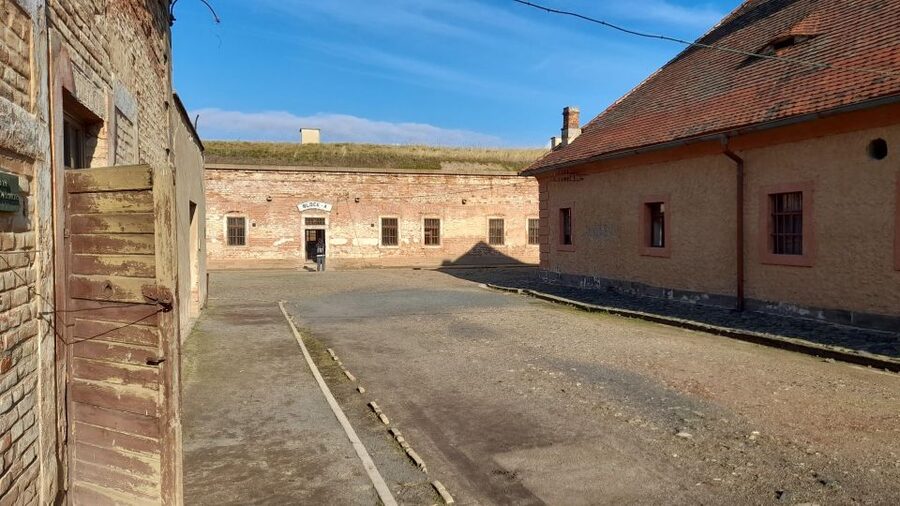
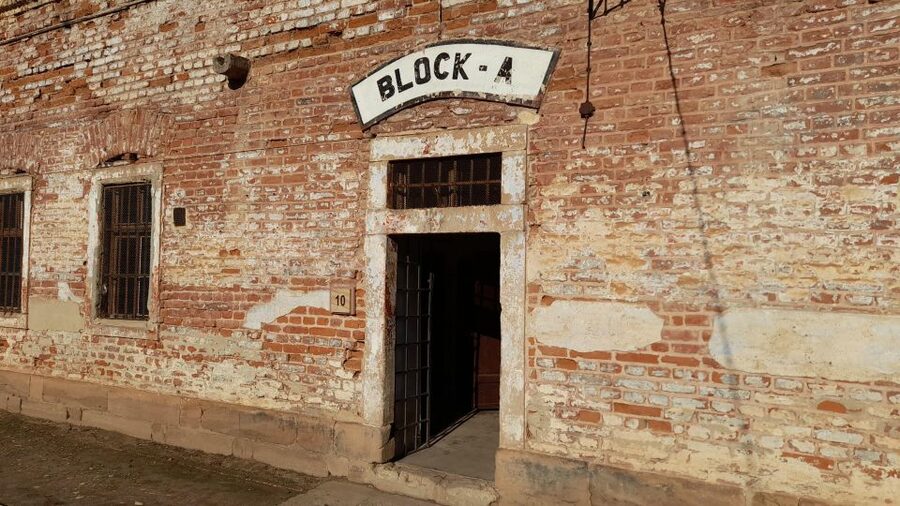
- Small Fortress prison walk-through with stops at mass cells, the Jewish cell, solitary cells, and wall tunnels
- The 10-minute Nazi propaganda film shown to the International Red Cross, plus the context around why it was made
- Big Fortress ghetto route including the Ghetto Museum and the children-focused ground floor exhibits
- Hidden synagogue in a storage room, one of six hidden synagogues in Terezín
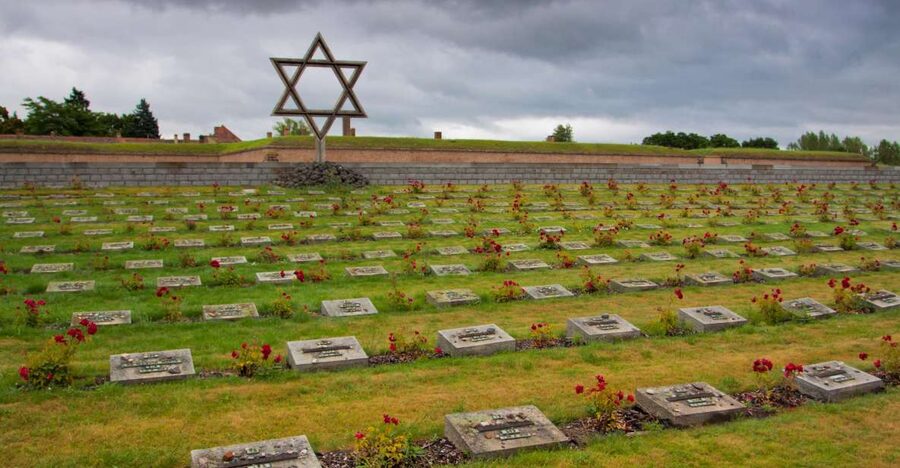
- Crematorium and mass graveyard at the end, built in 1942, closing the story with clarity
- Pickup included in Prague plus a private driver car or minivan to keep your half-day practical
Why a Private, Guided Terezín Visit Works (Small and Big Fortress Both Matter)
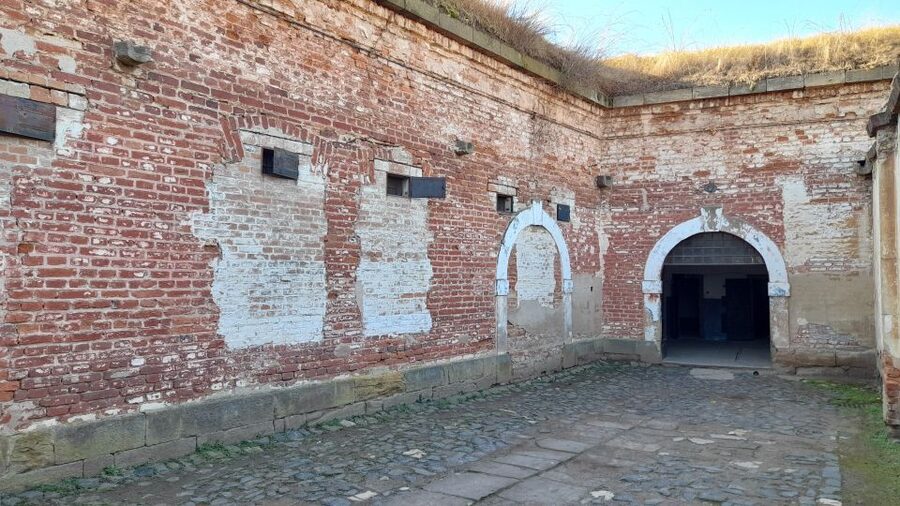
Terezín does not tell its story in a straight line. It’s more like two separate machines built into one site: the Small Fortress, used as a Gestapo prison, and the Big Fortress, which became the Jewish ghetto. A private guide helps you connect the dots without you having to decode everything on your own, especially when the grounds feel maze-like and the language on signs is not always enough to explain the human reality.
I also like that you get a local, English-friendly guide structure with multiple language options. You might even recognize names from past guided sessions, like Eva or Peter, who are described as warm and personable, and Petr, called out for delivering a solid tour. What matters for you is not the name itself, it’s the effect: you can ask questions, get straight answers, and move at a pace that keeps you oriented.
One more practical point: this tour is built for meaning, not speed. In a place like this, rushing is a bad idea. Private pacing helps you slow down where it counts, especially when you reach the museum sections and the last stops outside the walls.
Other visits to the Terezín Memorial:
- From Prague: Terezin Concentration Camp Guided Tour w/ Audio
★ 4.6 · 2,248 reviews - Terezin Concentration Camp Day Tour from Prague
★ 4.0 · 1,007 reviews - From Prague: Terezín and Ghetto Museum Guided Tour
★ 4.3 · 571 reviews
Your 5 Hours From Prague, and How the Timing Feels on the Ground
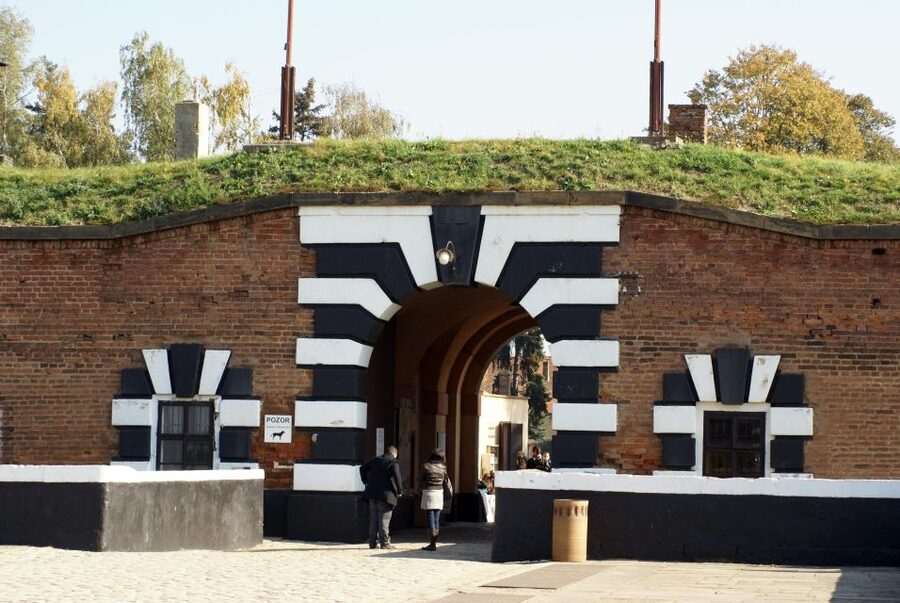
This is a 5-hour half-day tour with pickup included, plus a car or minivan and entrance fees covered. For most people, that means you’re spending your time wisely, not wasting it on logistics. You’ll get transported to Terezín and then guided through both major areas, including moving between the Small Fortress and the Big Fortress, which are about 1 mile apart.
Even though it’s labeled half-day, plan for full-on walking and standing. Some parts of the prison complex involve uneven surfaces and long corridors. You do not need to be an athlete, but you should treat this like an active museum visit.
Also, it’s worth mentally preparing for the guide to follow a narrative arc. You start inside the prison machinery, move into ghetto life and institutions, then end at the crematorium area. When it’s guided well, you feel the story building, rather than learning isolated facts.
Small Fortress: Gestapo Prison Courtyards, Cells, and the 10-Minute Red Cross Propaganda Film
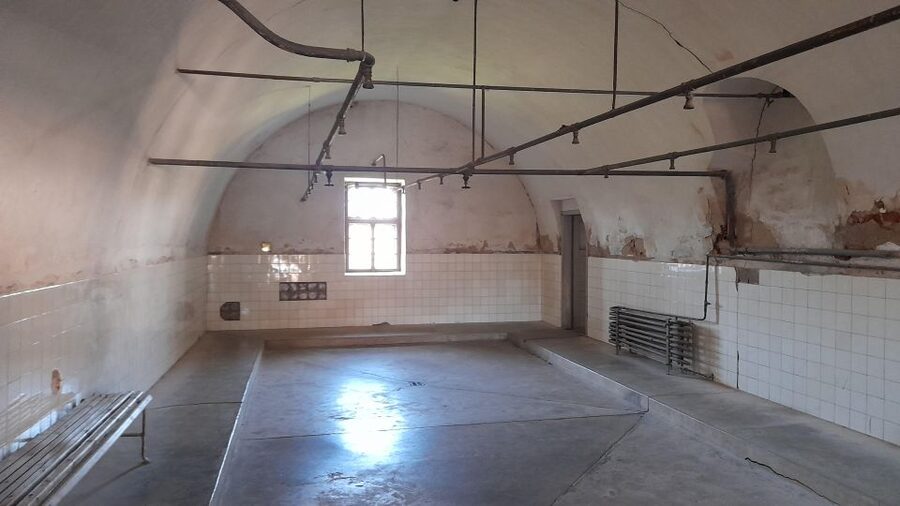
The Small Fortress is where the camp system becomes brutally specific. It began serving as a Gestapo prison in June 1940, and it remained in use until May 8, 1945. The numbers you hear here are grim: roughly 35,000 prisoners passed through the gates over its 5-year operation. The prisoner mix included political prisoners and prisoners of war, along with Jews, Roma, people with disabilities, and others classified by the Nazis.
Your guided route starts at the administrative court, where prisoners arrived. From there, you’ll move to the commander’s office and then into the men’s prison sections, where you’ll see mass cells, the Jewish cell, and solitary cells. This is one of the most important parts of the tour because it gives shape to the system. You’re not just hearing about persecution, you’re seeing the architecture that made control possible.
A few specific features stand out as especially sobering:
- Wall tunnels: these spaces communicate how tightly the prison was designed to control movement.
- Shooting range: it turns the idea of terror into something physical and immediate.
- Fourth courtyard: later-built mass cells due to lack of space show how overcrowding shaped daily life.
And then there is the part that often stays with people after the tour. You’ll watch a short 10-minute propaganda film created by the Nazis for the International Red Cross. It’s jarring by design. The value for you is that the guide can explain how propaganda worked in real time, and why that theater mattered as much as the suffering.
If you’re the kind of person who wants to understand motives and mechanics, the Small Fortress is where the tour becomes most analytical. If you’re more emotionally driven, it’s still essential, but you may want to pause, take breaks, and let the guide’s pacing do the heavy lifting.
Big Fortress Ghetto: Museum of the Ghetto, Children’s Exhibits, and What Happened to Transports
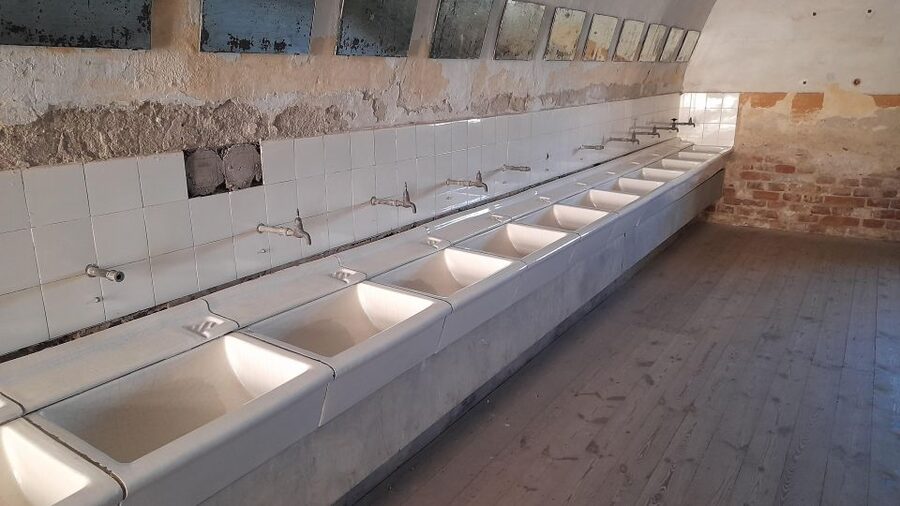
About 1 mile away, the Big Fortress tells a different part of the story. It served as the Jewish ghetto starting November 24, and over roughly 3.5 years, around 155,000 Jews passed through its gates. The guide frames this as both imprisonment and a place where survival depended on impossible conditions.
The transport numbers are part of why the museum matters. You’ll learn that 63 transports left Terezín for extermination camps in Poland, carrying 87,000 prisoners, and only about 3,600 survived the war. Inside the ghetto itself, about 35,000 people died, mainly from diseases and lack of nutrition. These are not just statistics. They explain why the museum includes so much about daily life and why the displays are not focused only on deaths and dates.
You visit the Museum of the Ghetto in former barracks for boys. The structure of the museum helps you understand priorities:
- The ground floor focuses heavily on the children who lived and perished in Terezín.
- The last section turns to extermination camps, so you can connect ghetto reality to what came next.
This is the stop where I think a good guide adds real value. You do not just look at artifacts, you learn how to interpret what you see. For example, without a guide, it’s easy to treat the exhibition like a timeline. With a guide, it becomes a story about institutions, coping, deprivation, and how children were forced into adult-sized horrors.
One practical consideration: if you like museums and you tend to go slow, ask the guide where time is tight and where it’s okay to step aside for a closer look. Private tours are flexible, but they’re still time-bounded.
A few other Prague options
- Small-Group Half-Day Prague Walking Tour
★ 4.5 · 99 reviews - Private Half-Day Tour From Prague To Terezín Concentration Camp
★ 5.0 · 78 reviews - Half-Day WWII Prague Walking Tour
★ 5.0 · 68 reviews - Kutna Hora Half-Day, Incl. the Bone Church & St.Barbara Cathedral
★ 3.5 · 63 reviews
Hidden Chapel and Magdeburg Barracks: Hidden Synagogue, Restricted Religion, and Cultural Life
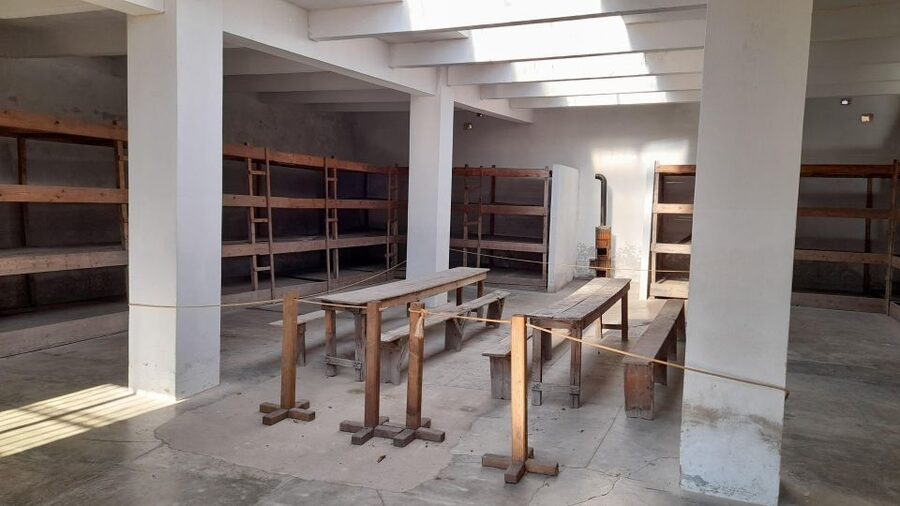
After the museum, you’ll visit the hidden chapel, which centers on one of the most poignant details in Terezín. The hidden synagogue in Terezín was one of six hidden synagogues. The one you’ll see is hidden in a storage room, because any signs of Jewish religion were banned by the Nazis.
This part matters because it shows resistance as quiet survival. People did not only endure. They tried to preserve identity in spaces designed to erase it. A guide can help you read the room and understand what secrecy meant day after day.
Next is the Magdeburg barracks, where you see dormitory-like spaces and learn about culture in the ghetto. This is a crucial counterweight to the prison narrative. The tour explains that many Jewish prisoners were accomplished artists, and you’ll connect that to how culture functioned under extreme constraints.
If you want a balanced emotional experience, this is the area where that balance shows up best. It does not change the reality of persecution, but it adds texture. You learn that human creativity did not stop simply because people were trapped.
Tip for you: if you feel overwhelmed during the earlier prison sections, this is often the point where you can regain some mental footing. The tone shifts toward life and expression, while still staying rooted in what the Nazis attempted to destroy.
Crematorium and Mass Graveyard: Built in 1942, Outside the Walls
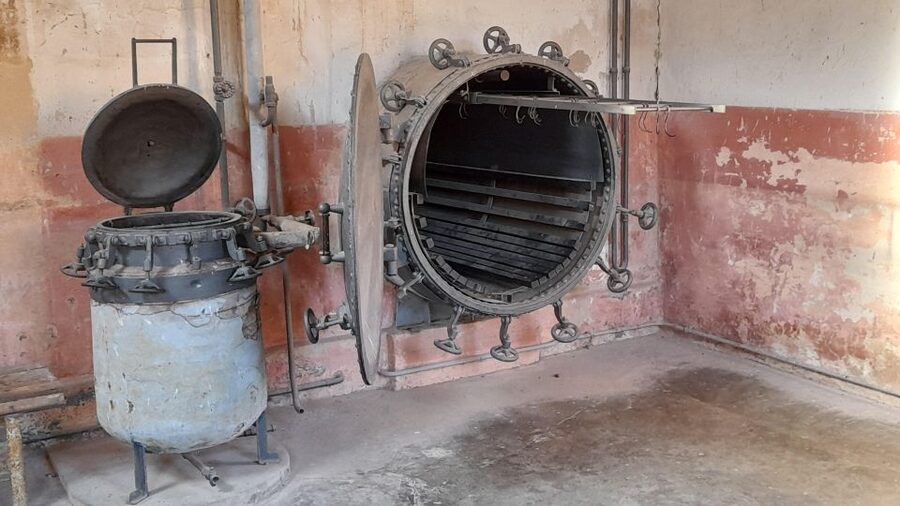
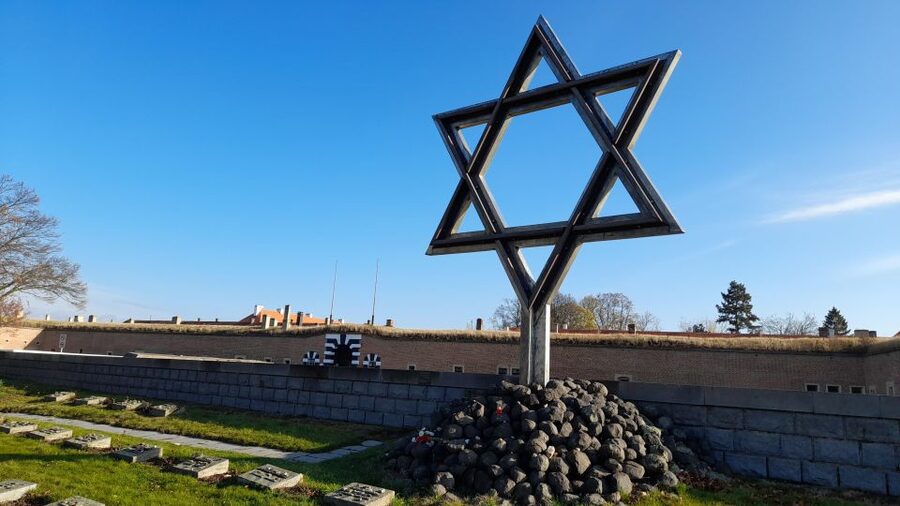
The tour ends with the crematorium, located outside Terezín’s walls. It was built in 1942, and the victim’s bodies were cremated there. Next to the crematorium is a mass graveyard.
This ending matters. Many historical sites finish with museum walls and photographs. Here, the last steps are outside, and they make the scale feel harder to avoid. The guide’s job at this point is not to shock you, it’s to make the location intelligible and respectful.
I also like that this ending gives you closure to the story structure. You began in prison space, moved into ghetto institutions, and then you finished with the system’s final stage. When that arc is explained well, it helps your brain store the information in a coherent way, not as disconnected facts.
Price and Value at $316 Per Person for a 5-Hour Private Tour
At $316 per person for a private 5-hour tour, you’re paying for three things that matter in real life: privacy, expert interpretation, and transport. This price includes a private guide, a driver, a car or minivan, and the entrance fee to the Terezín Memorial. That combination is often where the value shows up, especially if you’re traveling as a couple or a small group and you want your time controlled by your interests, not by a crowded schedule.
Here’s how I’d judge value for you:
- If you want a tightly explained route through both Small and Big Fortress, a private guide is often worth it because interpretation is the difference between seeing buildings and understanding systems.
- If you hate transport hassles and want pickup handled, the included driver and vehicle can feel like a relief, not a luxury.
- If you prefer to wander on your own and read independently, you might not need this level of guided time.
The best way to think about it is simple: this is not just a ticket to a place. It’s a structured lesson, with a local guide steering the pacing.
Who Should Book This Tour, and Who Might Want a Different Style
This tour is a great fit if you:
- want a private group experience with pickup from where you’re staying
- like guided explanations for complex historical sites
- want to see both the Small Fortress and Big Fortress within a short half-day
- need a guided approach in English, Spanish, French, Russian, Italian, Czech, or German
You might consider a different option if you:
- prefer maximum independent time in museums
- need lots of extra pauses beyond a typical guided schedule
- are uncomfortable with the emotional heaviness of prisons, propaganda, and the crematorium area
Practical Tips Before You Go to Terezín
First, dress for walking and standing. Even if you’re not rushing, the route includes multiple buildings, courtyards, and museum spaces. Wear comfortable shoes, and bring layers, since outdoor sections can feel different from indoor exhibits.
Second, treat the propaganda film and the crematorium area as moments to slow down, not moments to “get through.” A good guide will frame them, but your body will still feel it. If you need a moment, ask for it. Private touring makes that easier.
Third, if your goal is learning, arrive with at least one question. For example: how did the Nazi system use both prison and ghetto spaces, or what does a hidden synagogue tell you about restricted life? The guide can connect those answers to what you’re seeing.
Lastly, if you want more personal context, you may find the guide open to it. In past guided experiences, some guides have shared lived perspectives tied to major Czech history moments like the Velvet Revolution, which helps you see the country as more than a setting.
Should You Book This Private Half-Day Terezín Tour?
If you’re short on time and want the visit to feel structured, I’d book it. The private guide makes the difference here, especially because the tour covers both the prison side and the ghetto side, plus the museum, hidden synagogue, and crematorium closing stop. It’s also a practical choice from Prague, since pickup and transport are handled.
If you’re extremely sensitive to the subject matter, plan your emotional pacing carefully. This is not a light outing. But if you’re coming with respect and a willingness to learn, this half-day format is one of the more efficient ways to understand how Terezín functioned as a fortress turned instrument of terror.
FAQ
How long is the Private Half-Day Tour to Terezín Concentration Camp?
The tour lasts 5 hours.
Is pickup included, and will we travel by car or minivan?
Yes. Pickup is included, and you’ll travel by car or minivan with a driver.
What is included in the price?
The tour includes a private tour guide, a driver, a car or minivan, and the entrance fee to the Terezín Memorial.
What languages are available for the live guide?
The live guide is available in English, Spanish, French, Russian, Italian, Czech, and German.
Is the tour wheelchair accessible?
Yes, the tour is listed as wheelchair accessible.
What is the cancellation and payment flexibility?
Free cancellation is available up to 24 hours in advance for a full refund. There is also a reserve now and pay later option.
Added recently in Prague
- Half-day Private Tour of Prague’s Charming Jewish Quarter★ 5.0 · 4 reviews
- Karlstejn Castle Half Day Tour from Prague★ 3.5 · 4 reviews
- Private Full-Day Tour Karlstejn Castle and Crystal Glassworks from Prague★ 4.5 · 4 reviews
- Prague Castle and Charles Bridge Private Walking Tour★ 5.0 · 4 reviews
- Prague: Sports Cards & Artifacts Museum Tickets★ 4.6 · 4 reviews
- Prague: Target Gun Shooting Experience with Hotel Pickup★ 4.7 · 4 reviews
- Private tour to Cesky Krumlov★ 5.0 · 4 reviews
- Prague Airport Transfers, Praga Aeropuerto Traslados, ESPAŇOL-ENG★ 5.0 · 4 reviews