
Czechia
From Prague: Terezín and Ghetto Museum Guided Tour
6 hours
A visit to Terezín from Prague is interesting because it shows how a place built for order and routine was later turned into a machinery of imprisonment. I like that this tour is structured like a guided walk through real sites, not just a slideshow. You get context fast, so the buildings do not feel like random stops.
Two things I really like: the Small Fortress tour, with clear explanations of how Emperor Joseph II’s fortress later became a Gestapo prison and Jewish ghetto site, and the way the Ghetto Museum frames what you see with a permanent exhibition on persecution under the Nazi regime. One drawback to plan for is time pressure, because the full 6-hour outing packs multiple areas and there is not enough time to read everything slowly.
If you want to process at your own pace, it helps to know what you are signing up for. The emotional weight is real, and the tour moves, even when the sites demand silence. If you need long reflection time between stops, you may feel a bit rushed.
Key things that make this tour worth your attention
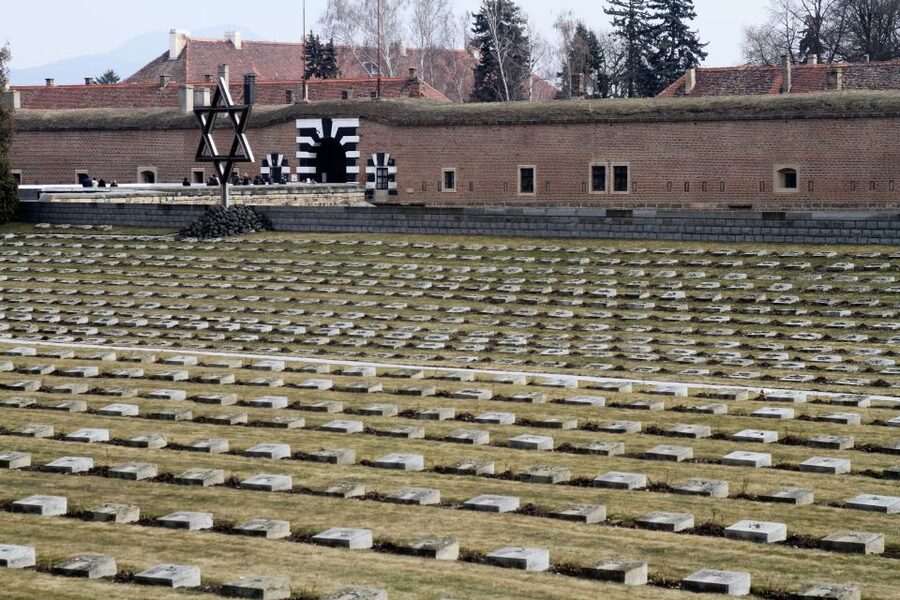
- Small Fortress context: Joseph II’s 18th-century fortress, explained through what it became during WWII
- Ghetto Museum, opened 1994: a permanent exhibition focused on political imprisonment and persecution
- Ceremonial Halls and Central Morgue: specific rooms you do not want to skip when you are trying to understand the system
- Hotel pickup and guided interpretation: admission fees and a live guide are included, so you spend your energy on the sites
- Real-site walking: expect movement between areas, so wear shoes that can handle uneven ground
- Guides who answer questions: guides such as Veronica, Martin, Tony, Gulzhan, Valentina, and Roger show up in the guide mix and tend to lean into explanation and Q and A
Why Terezín from Prague feels different than most day trips
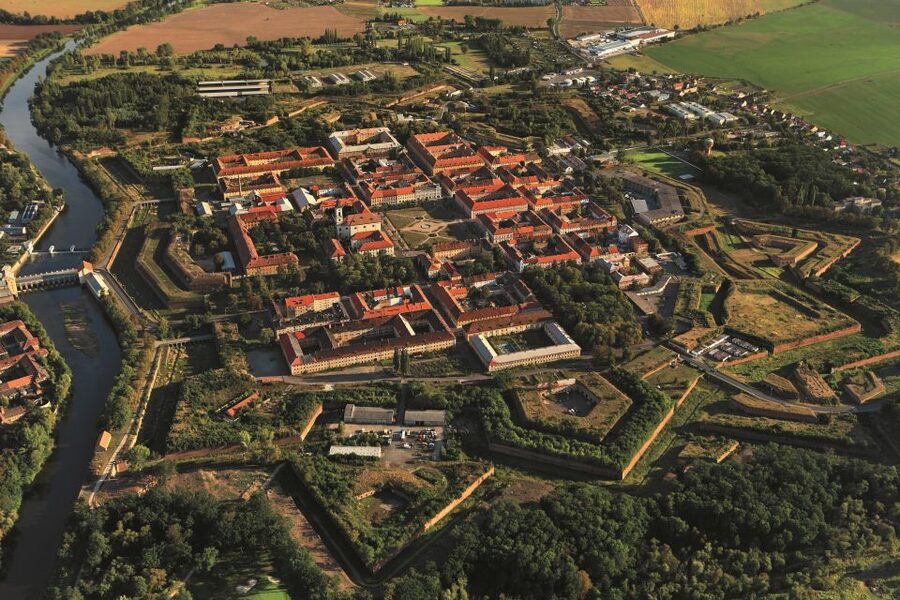
Terezín is only a short ride from Prague on paper, but the experience lands with a completely different kind of gravity. This is not a place designed to entertain you. It is a place designed to hold people, control people, and later, document what happened.
What makes the Small Fortress tour especially important is that it anchors the story in a physical structure you can see and walk through. The fortress was built in the 18th century under Emperor Joseph II, then repurposed during WWII, serving as a Gestapo prison and also connected to the Jewish ghetto and concentration camp reality. With a guide, you start noticing details that a quick self-walk might miss, like how the layout supports confinement.
Then the Ghetto Museum adds the interpretive layer. The museum opened in 1994 and has a permanent exhibition devoted to the history of the political prison and the persecution of the Czech nation under the Nazi regime. That focus matters because you are not only tracking individual stories, you are learning how political imprisonment functioned and why the Czech population was targeted.
Other visits to the Terezín Memorial:
- From Prague: Terezin Concentration Camp Guided Tour w/ Audio
★ 4.6 · 2,248 reviews - Terezin Concentration Camp Day Tour from Prague
★ 4.0 · 1,007 reviews - Terezin & Bohemian Switzerland from Prague: Bastei, Narnia & Café
★ 5.0 · 445 reviews
Hotel pickup to Terezín: how the 6-hour schedule really works
This is a 6-hour guided outing with hotel pickup and Prague drop-off included, plus live commentary from start to finish. The time on your voucher is the tour start time, not your pickup time. The actual pickup time gets sent to you by email at least 24 hours before departure, which matters if you like to plan your morning tightly.
A couple of practical rules can affect your day. Your driver will wait no longer than 5 minutes after the scheduled pickup time, so it pays to be ready early in the hotel lobby. Free pickup is not available for reservations made less than 24 hours before the tour start, and if your hotel is inside a pedestrian zone, you are not eligible for pickup.
On the transport side, the trip is generally described as comfortable. Still, one practical heads-up from experience reports is that during warmer conditions, some buses may not feel perfectly air-conditioned. Pack for comfort, meaning a light layer and whatever you need to stay calm in heat.
One more benefit: the tour languages include English, Russian, Italian, Spanish, and German. Guides often stick to strong explanation, and you should feel free to ask questions as you go. If your tour ends up with a mixed-language setup, it can reduce how much time you get with the English portion, so pay attention at the start and ask how translation will work.
Small Fortress of Terezín: what you should focus on while you walk
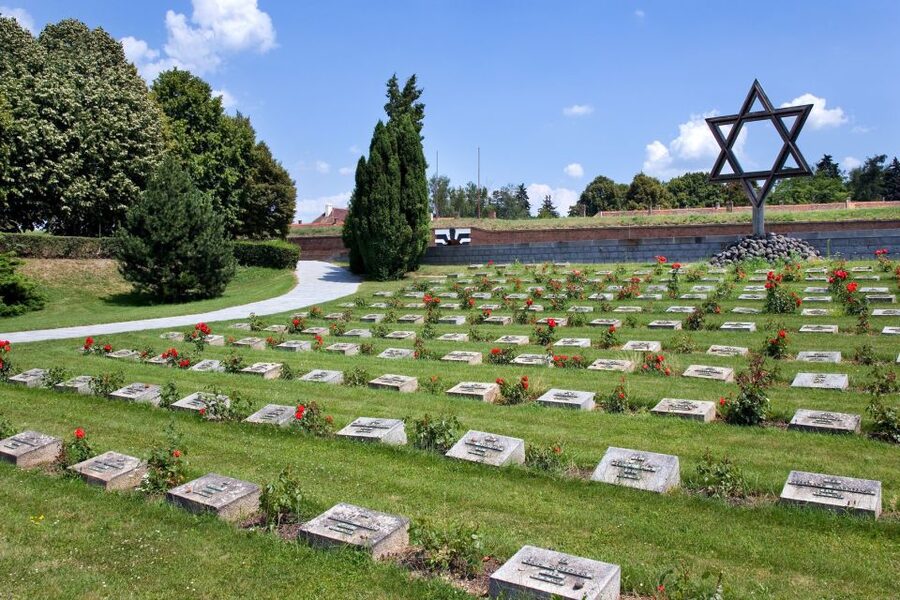
The Small Fortress is the core opening stop for many people, and it is not just because it is dramatic. It is because it gives you the “container” for everything that follows. The fortress was built in the 18th century by Emperor Joseph II, and during WWII it became a Gestapo prison, tied to the Jewish ghetto and concentration camp system.
When you enter, do yourself a favor: slow down for a minute and let your eyes adjust to the space. A guided visit works best when you can match the explanation to the architecture. The guide’s job is to connect what you are seeing to what it meant for prisoners, and that is where tours led by people like Veronica and Martin tend to score high, especially when they answer questions and keep the historical context clear.
If you are hoping for a museum-style experience, think again. This is an outdoor-and-built-structure visit. You will likely move through areas that feel austere because they were built to control movement. That is the point, and the guide can help you interpret why a fortress like this can function as a prison without needing to spell everything out.
One consideration: expect an atmosphere that can be mentally heavy. People often describe leaving with a heavy heart, and that is not a melodramatic warning, it is a normal response. If you are the type who needs to talk it out after hard sites, consider doing it during the drive back to Prague.
Ghetto Museum opened in 1994: how to get more out of the exhibits
The Ghetto Museum opened in 1994, and it is built around a permanent exhibition about the political prison and the persecution of the Czech nation under Nazi rule. That focus is valuable because the museum does not treat WWII as a single generic event. It shows how persecution was structured locally and how Czech society was affected.
The museum visit can feel like a race if you come in expecting to read every label. Some visits do run tight, especially for the exhibition areas where there is a lot of written commentary. If you love reading, plan on selective reading instead of trying to consume everything.
Here is a simple strategy that helps: pick one theme before you enter. For example, you might focus on how political imprisonment worked, or how Czech persecution fits into the broader system. Once you choose, the guide’s timeline explanations and the museum’s content click faster because your brain has a target.
Also pay attention to how the museum uses different media. Some experience reports note cinema shows inside the museum area, and that kind of presentation can be easier to follow than written panels alone. If you are the kind of visitor who gets worn out by text, the museum’s mixed format can be a welcome break.
More museums in Prague:
- Prague: Museum of Fantastic Illusions Entry Ticket
★ 4.3 · 4,337 reviews - IAM Illusion Art Museum Entry Ticket
★ 4.2 · 1,664 reviews - Prague: Museum of Senses Admission Ticket
★ 4.0 · 1,445 reviews - IAM Illusion Art Museum Prague Fast Pass Ticket
★ 5.0 · 957 reviews
Ceremonial Halls and Central Morgue: places where interpretation matters
The highlights include Ceremonial Halls and the Central Morgue, and those rooms are where guided explanation becomes especially important. These are not “look, it is historic” rooms. They are rooms that force you to understand function, not just memory.
Ceremonial spaces can be hard to process because they sound formal, but you are visiting them in a historical context tied to persecution. A strong guide helps you avoid misunderstandings, like interpreting the room as purely symbolic without understanding what it signaled within the system.
Then you reach the Central Morgue. Even with strong historical knowledge, this is where your emotions usually catch up. The best tours do not try to rush your reaction, but they do keep the historical narrative clear. When guides are good at pacing, you can take a moment before and after each room, without losing the thread of the story.
Because these are specific stops, I recommend keeping your phone away unless you need notes. Put your energy into listening to the guide and watching the room. If you want to review later, you will remember the sequence better when you are not constantly photographing.
Walking, timing, and avoiding the rushed feeling
This tour is 6 hours total, and that includes travel from Prague, meeting the guide in Terezín, and moving between the Small Fortress and the Ghetto Museum areas, including Ceremonial Halls and the Central Morgue. That is a lot of ground and a lot of mental processing.
A practical note that keeps popping up in how people describe the experience is that the sites are not right next to each other. You will likely do multiple walking segments, which means the day can feel more physical than you might expect. Wear comfortable shoes with solid grip, and dress in layers based on the season.
Timing is the other big factor. Some people feel the museum exhibition gets covered quickly, especially if you want time to read commentaries. If you truly dislike feeling rushed, you might prefer a longer visit option or a more flexible arrangement. With this 6-hour structure, your expectation should be guided context first, slow reading second.
One other practical gap: food and drinks are not included. Several experiences mention wishing they had brought snacks because there is no scheduled stop for food. I strongly suggest you pack a small snack and water before you leave Prague, even if you plan to eat later in the city. This is not about being comfortable, it is about keeping your energy steady while you concentrate.
Guides make the difference: what you can learn from how the tour runs
The tour depends heavily on the guide, and the names that show up in people’s experiences are a good clue about the style you might get. Guides like Veronica and Martin are described as bringing history to life through storytelling and strong context. Tony also gets praised for teaching a lot and making the visit engaging, not just reciting facts.
What I like about the best guide moments on this kind of tour is the Q and A effect. People often highlight that the guides answer questions, which helps you move from passive viewing to real understanding. If you have a background question, such as how Terezín relates to other camp systems or how the political prison concept worked, ask early so it stays in your head during the later stops.
Language is the one wildcard. The tour offers multiple languages, and some departures may end up with more than one language spoken during the same group session. If you are booking for English, I would check how the guide plans to cover instructions and explanations. In one experience, limited English time reduced the amount of detail a visitor expected. You can avoid this by setting expectations at the start, right when you meet your guide.
Also, guides often talk about Prague and the drive itself. You might not get a full city tour, but having background facts while traveling helps you place Terezín in your overall Czech trip.
Price and value: is $86 per person a fair deal?
At $86 per person for a 6-hour guided outing, the key value question is what you get for that price. Here, you get hotel pickup, Prague drop-off, a live guide, and admission fees. Food and drinks are not included, so you should budget for a snack or a meal before or after.
If you tried to do this independently, you would still pay for museum and fortress admission and spend time coordinating transport, plus you would miss out on the guided narrative that ties the sites together. That guided narrative is the real value here. The fortress without context becomes just stone and walls. The museum without context becomes panels and artifacts. With a guide, you can connect why each stop exists and what it signaled for prisoners.
The price also makes sense if you want a reliable schedule. The tour runs as a defined 6-hour block with pickup rules and organized timing, which is handy when your Prague days are already full.
Who should book this tour, and who might want a different format
This is a strong match if you want a structured introduction to Terezín and the Ghetto Museum without having to research every room yourself. It is also a good choice if you care about how history functions on the ground, through specific sites like the Small Fortress and the Ceremonial Halls and Central Morgue.
I especially think this works well for visitors who learn best through explanation and Q and A. If you love asking questions, guides such as Veronica, Martin, Tony, and others tend to create that back-and-forth.
On the flip side, the tour is not suitable for people with mobility impairments, based on the provided activity details. Also, if you know you need extra quiet time and longer reading stops to feel settled, this 6-hour run may feel tight. The tour can be emotionally intense, and you might want a format that gives more breathing room between sites.
Finally, if you are extremely heat-sensitive or comfort-sensitive, consider season and bring what you need. One bus comfort concern has been reported, so dressing for weather is part of setting yourself up for a smooth day.
Should you book the Prague Terezín and Ghetto Museum guided tour?
I would book it if you want a guided, value-packed half-day that includes pickup, admission fees, and a live interpreter who can connect the dots across the Small Fortress and the Ghetto Museum. The emotional weight is real, but so is the educational payoff when you have context before you walk into each room.
I would hesitate if you want lots of unhurried reading time, or if mobility limitations make the walking and site layout difficult. In that case, look for an option designed around slower pacing or a different accessibility plan.
If you do book, do two things that make the biggest difference: bring snacks and water, and be ready for a tour that moves. You will still come away with a clear understanding of Terezín, not just a list of places.
FAQ
How long is the Terezín and Ghetto Museum guided tour from Prague?
The tour duration is 6 hours.
Is hotel pickup included, and where do you meet the guide?
Hotel pickup and Prague drop-off are included. The guide is met in Terezín after the drive, and the exact pickup time is sent to you by email at least 24 hours before the tour starts.
What does the tour price include?
The price includes hotel pickup, drop-off in Prague, a live guide, and admission fees.
Are meals or drinks included?
No. Food and drinks are not included.
What languages are available for the live tour guide?
Live guide languages offered are English, Russian, Italian, Spanish, and German.
What are the main stops during the tour?
The tour includes the Small Fortress of Terezín and visits to the Ghetto Museum, including the Ceremonial Halls and the Central Morgue of the Ghetto.
Is this tour suitable for people with mobility impairments?
No, it is not suitable for people with mobility impairments.
Can I cancel for a refund?
Yes. You can cancel up to 24 hours in advance for a full refund.
Added recently in Prague
- Half-day Private Tour of Prague’s Charming Jewish Quarter★ 5.0 · 4 reviews
- Karlstejn Castle Half Day Tour from Prague★ 3.5 · 4 reviews
- Private Full-Day Tour Karlstejn Castle and Crystal Glassworks from Prague★ 4.5 · 4 reviews
- Prague Castle and Charles Bridge Private Walking Tour★ 5.0 · 4 reviews
- Prague: Sports Cards & Artifacts Museum Tickets★ 4.6 · 4 reviews
- Prague: Target Gun Shooting Experience with Hotel Pickup★ 4.7 · 4 reviews
- Private tour to Cesky Krumlov★ 5.0 · 4 reviews
- Prague Airport Transfers, Praga Aeropuerto Traslados, ESPAŇOL-ENG★ 5.0 · 4 reviews