
Reviewed · COMMUNIST-ERA PRAGUE
Prague: World War II and Communist History Tour
Prague’s story in the 20th century hits hard in real places, not in textbooks. I love how the tour connects WWII, Communist rule, and the Velvet Revolution into one clear timeline, and I also love the way the guide tells it like a local lived through it, with English storytellers such as Daren, Adam, Tony, Zach, and Sean often earning top marks. The only drawback is that it covers heavy topics, so it may feel intense if you prefer a lighter, more casual sightseeing day.
You’ll walk between major landmarks including the Municipal House, the Jewish Quarter area, the Dancing House, and Wenceslas Square. Along the way you’ll hear about the Nazi occupation, the Czech uprising, the Communist coup, the crush of the Prague Spring, and later Normalization, Charta 77, and Václav Havel’s rise in 1989.
Key things to know before you go
- One timeline, many turning points, from Nazi occupation through Velvet Revolution
- Major landmarks in central Prague, including Municipal House and Wenceslas Square
- Resistance history is front and center, including the assassination linked to Operation Anthropoid
- Culture under Communism gets attention, with Plastic People of the Universe and Charta 77
- Prague Spring and the Warsaw Pact invasion are explained in plain terms
- English live guide with strong storytelling, often noted for keeping energy high even on rainy days
A 150-Minute Walk Through Prague’s WWII to 1989 Story
This is not a “three buildings and some dates” kind of tour. The appeal is that you’re walking the city while you’re learning how power shifted, how ordinary people adapted, and how hope and fear came in waves. In about 2.5 hours, the guide builds a narrative arc that goes from the Nazi occupation, to resistance and rebellion, to Communism, and then to the moment the old system cracked in 1989.
I like that it’s built around turning points you can picture: the moment a progressive industrial state gets dragged into occupation, the swing from wartime chaos to Communist control, and the emotional whiplash of Prague Spring followed by the Warsaw Pact invasion. You end with the Velvet Revolution and the political lift that swept dissidents, including Václav Havel, into power.
Other tours of the communist period:
- Prague: Communism History and Nuclear Bunker Guided Tour
★ 4.7 · 2,417 reviews - Prague Communism History and Nuclear Bunker Tour
★ 5.0 · 1,742 reviews - Communism & Nuclear Bunker Tour + 70s Canteen Lunch (own expense)
★ 5.0 · 1,036 reviews
Starting at Týnská: Getting Oriented Fast Before the Story Gets Dark
The tour meets at Týnská 639/4, Staré Město, 110 00 Prague-Praha 1. That’s a smart choice because you start near the old core of Prague, where it’s easy to connect what you see on the street to what the guide is saying about the era.
A good historical tour lives or dies on setup, and here the setup matters. You’re not just reading plaques as you walk. The guide frames the timeline first, so when you reach later stops, the history feels like it’s building rather than piling up. A number of guides tied to this tour style are praised for keeping the pace lively, including in bad weather, so you’re less likely to feel stuck in a lecture.
Municipal House and the Jewish Quarter: Seeing Prague Before and During the Occupation
The Municipal House shows up early for a reason. It’s the kind of landmark that helps you imagine Prague as it was meant to function, not just how it was forced to function. When the guide brings up Nazi occupation, you can start matching the political reality to the physical space around you, which makes the story more concrete.
Then you move through the Jewish Quarter area. This matters because WWII in Prague is not only about institutions and uniforms. It’s also about communities, persecution, and survival. The guide’s job is to connect that to the big picture: how occupation reshaped daily life, what resistance looked like, and how later Communist rule inherited or reinterpreted some of those scars.
One practical note: this part can feel emotionally heavy. If you’re the type who likes to process as you go, take a second at each stop to let the guide’s story land before you move on.
How Resistance Fits Into the Nazi Story, Including the Heydrich Assassination Site
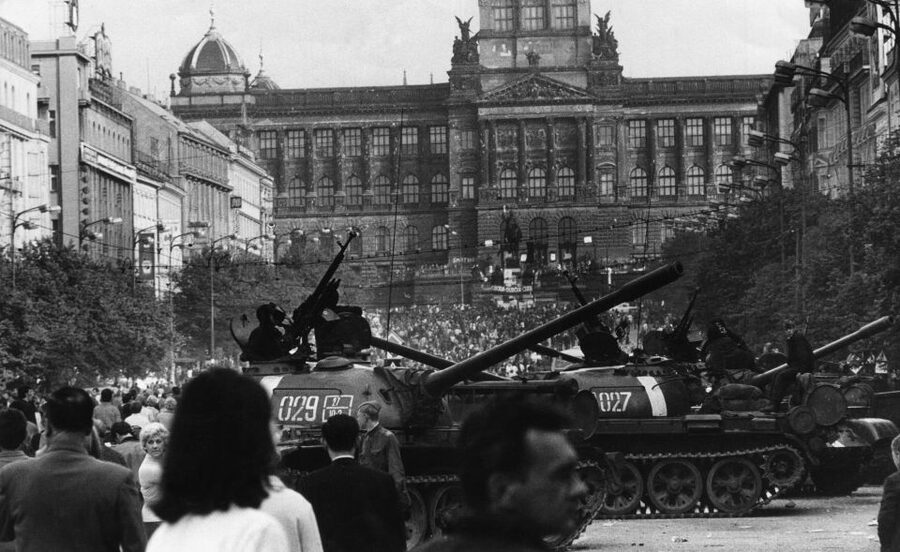
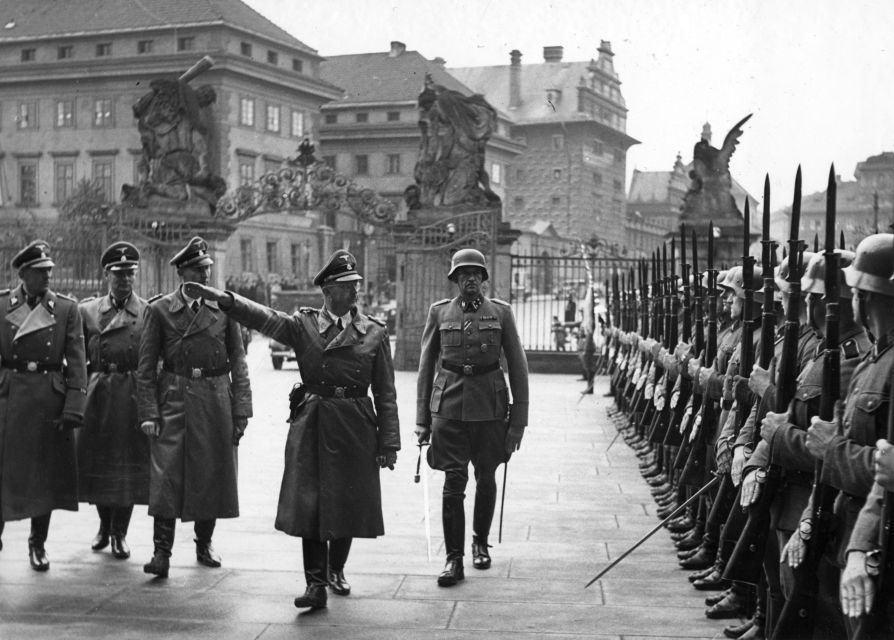
A major highlight is learning about Nazi occupation and resistance, including where the Nazi head of the security services was assassinated. This is tied to the kind of operation Prague remembers for its risk and its consequences. The guide explains not just what happened, but why it mattered to the people living under occupation, and what came after.
You’ll also hear about the Czech uprising. That’s one of the places where a local point of view makes a difference. Instead of treating events like isolated explosions, the guide connects them to fear, reprisals, and the hard arithmetic of resistance.
If your interest includes WWII events like Operation Anthropoid, this tour is likely to feel especially satisfying because it gives you the city context around the story. Some guides also point people toward relevant historical films afterward, and it’s a nice way to extend the experience when you’re back in your room.
More history in Prague:
- Prague: Oldtown, Medieval Underground & Dungeon History Tour
★ 4.3 · 10,277 reviews - Prague Old Town, Medieval Underground and Dungeon Historical Tour
★ 4.5 · 3,227 reviews - Prague: Historic City Center Bus Tour with Top Sights
★ 4.4 · 2,360 reviews - Prague Historic Pub Tour with Drinks Included
★ 5.0 · 2,084 reviews
Dancing House and the Communist Years: From Coup to Normalization
The Dancing House is a clever stop for Communism because it’s modern and expressive, and the contrast helps your brain hold two eras at once. The guide uses that visual contrast to explain how the postwar shift to Communist rule changed what the city represented.
You’ll hear about the Communist coup, followed by a period that’s described as both turbulent and disappointing. That word choice matters. It reflects what many people experienced: high hopes after wartime struggle, then a hard realization that power did not return to the people in the way they expected.
Later, the tour covers Normalization, which is one of those terms that can sound like a bureaucratic slogan until you learn what it meant on the ground. The guide explains it as social pressure, political control, and the narrowing of acceptable speech and culture.
Then culture becomes part of the lesson. You’ll hear about the persecution of the Plastic People of the Universe and the controversy around Charta 77. That is a valuable angle because it shows resistance as more than armed action. Under Communism, pushing back could mean letters, concerts, criticism, and refusing to pretend everything was fine.
Wenceslas Square and the Prague Spring Story You Can Actually Feel
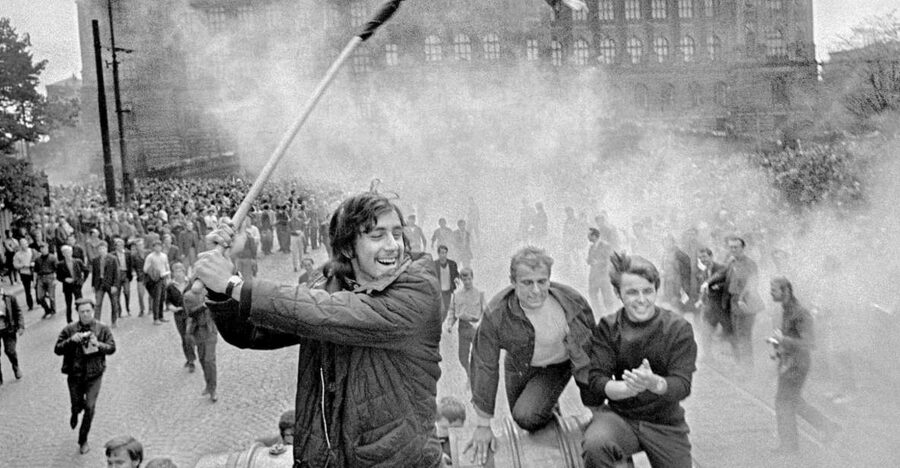
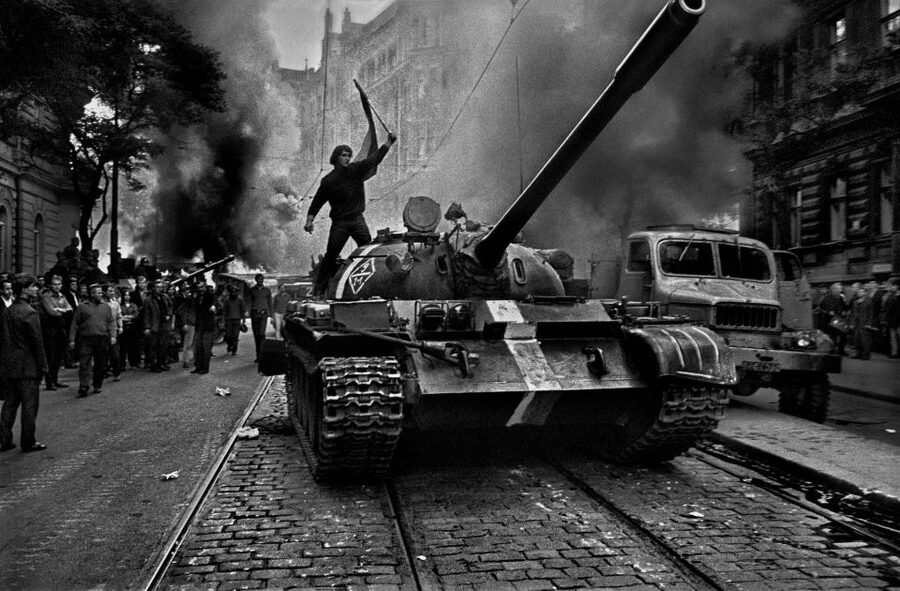
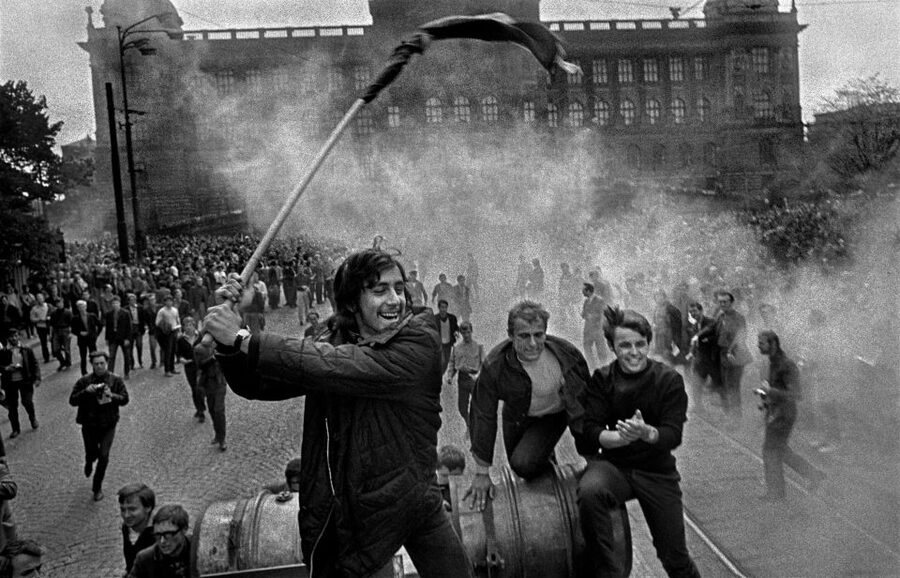
The big political pivot of 1968 gets time on this tour: the euphoria of the Prague Spring, followed by the trauma of the Warsaw Pact invasion. This is often the hardest material to understand if you only know the dates. Here, the guide builds a chain of cause and effect so you can see why people felt hope, why it was threatening to outsiders, and why the backlash was so brutal.
Then comes the long shadow. After invasion, Communist control reasserts itself, and the guide walks you through how that impacts public life, private life, and even what people choose to talk about. You’re not asked to memorize policy. You’re asked to understand how systems behave, and how people try to survive them.
Finally, the tour brings you to the Velvet Revolution of 1989, including how dissidents were swept to power, with Václav Havel as the key figure named in the narrative.
Practical pace, price value, and the best way to pair it with other plans
This tour runs 150 minutes and is a walking tour. At a fast-but-manageable city pace, you’ll cover multiple districts while the guide keeps the story threaded. That duration also helps explain why the focus stays on the most important sites tied to these events. It’s not trying to be every museum in Prague. It’s trying to give you the map of cause and effect.
Is $34 good value?
At $34 per person, this is strongly positioned as a value play if your goal is understanding. The price is not the bargain part, the structure is. You’re getting a live English guide for 2.5 hours, and you’re visiting a set of central landmarks linked directly to WWII and Communist-era milestones. If you’ve been considering museum-heavy days, this can be the smarter “context” option that makes the rest of your trip click.
Footwear and weather matter
The reviews for this tour consistently highlight that guides keep things engaging even in weather that feels miserable for walking. Still, Prague sidewalks can be uneven and rainy seasons happen. Wear shoes you trust, and bring a rain layer.
Use films to lock in the story
One of the best extras is that the guide style encourages you to continue watching. If you’re the type who remembers scenes better than dates, this is a great way to work with your brain. A commonly paired suggestion is Anthropoid and Munich, both connected to WWII topics that the tour touches.
Is this tour for you?
This is a great fit if you want history that’s place-based and story-driven, not just a checklist of monuments. It’s especially worth it if:
- you’re interested in how WWII resistance connects to later Communist-era dissent
- you want clarity on Prague Spring, the Warsaw Pact invasion, and what followed under Normalization
- you like cultural references and human-scale details, like Plastic People of the Universe and Charta 77
Skip it, or at least mentally prep for intensity, if you prefer upbeat sightseeing or you strongly dislike political and persecution topics.
Should you book this WWII and Communist History Tour?
Book it if you want a clear, guided thread through Prague’s hardest 20th century chapters, with stops that actually matter and a guide who knows how to keep the story moving. At 150 minutes and $34, it’s also a smart use of time for a first or second day in the city core.
If you’re on the fence, think of it this way: Prague’s landmarks are beautiful, but they make much more sense when you know what happened to the people around them. This tour gives you that context, fast.
Added recently in Prague
- Half-day Private Tour of Prague’s Charming Jewish Quarter★ 5.0 · 4 reviews
- Karlstejn Castle Half Day Tour from Prague★ 3.5 · 4 reviews
- Private Full-Day Tour Karlstejn Castle and Crystal Glassworks from Prague★ 4.5 · 4 reviews
- Prague Castle and Charles Bridge Private Walking Tour★ 5.0 · 4 reviews
- Prague: Sports Cards & Artifacts Museum Tickets★ 4.6 · 4 reviews
- Prague: Target Gun Shooting Experience with Hotel Pickup★ 4.7 · 4 reviews
- Private tour to Cesky Krumlov★ 5.0 · 4 reviews
- Prague Airport Transfers, Praga Aeropuerto Traslados, ESPAŇOL-ENG★ 5.0 · 4 reviews
Communist-Era Prague, compared.
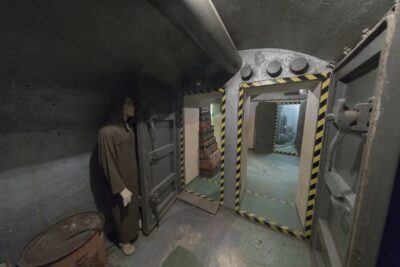
Communism History and Nuclear Bunker Guided Tour
Read our review →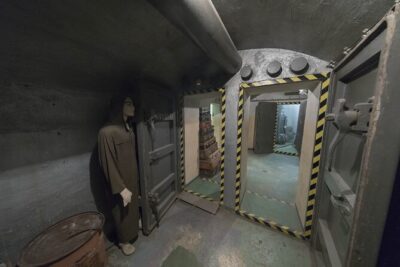
Prague Communism History and Nuclear Bunker Tour
Read our review →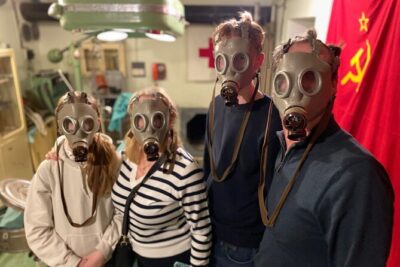
Communism & Nuclear Bunker Tour + 70s Canteen Lunch (own expense)
Read our review →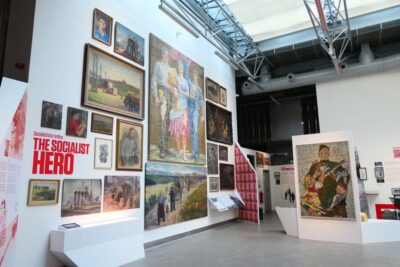
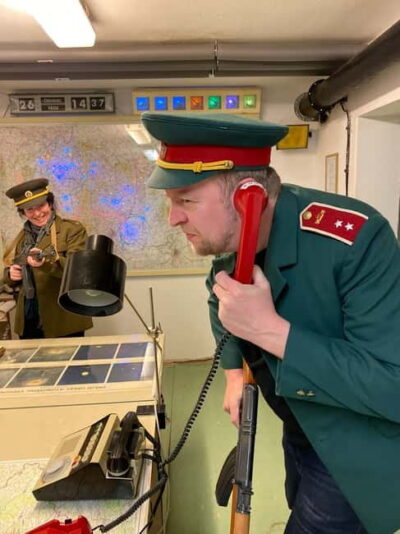
Communism and Bunker Tour with 70s Canteen Lunch
Read our review →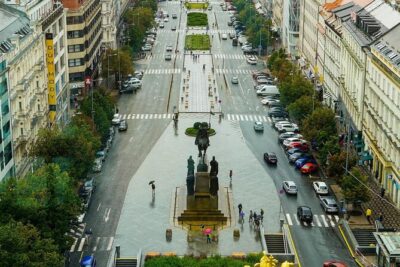
Second World War & Communism (Tip-based 3 hour tour)
Read our review →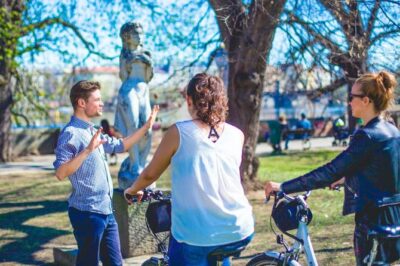

Browse the lists this tour appears in