
Czechia
Prague: World War 2 and Operation Anthropoid Walking Tour
3 hours
This Prague walk turns World War II history into something you can follow street by street, anchored by Operation Anthropoid. I love how it connects big events to specific locations you can actually stand in front of, and I like that the story lands at the Church of St. Cyril and Methodius, tied to the last resistance of Czech paratroopers.
One catch: you’re on your feet for the full 3 hours. If you have mobility limits or strong weather sensitivity, plan carefully, because the tour is not wheelchair accessible and the route is built for steady walking.
Key points I’d keep in mind
- Operation Anthropoid is explained with the key players behind the assassination plot, not just the headline moment
- You’ll see the memorials and places tied to the Heydrich Terror and the aftermath
- The walk links occupation-era fear to everyday Prague landmarks you can recognize
- The final stop at St. Cyril and Methodius is more than a photo stop, it’s a reflective ending
- Many departures run as a small group (minimum 2 guests, plus private groups available), which helps questions flow
- You’ll want comfortable shoes, because this is a walking tour through central Prague
Starting at Týnská 627: getting oriented fast
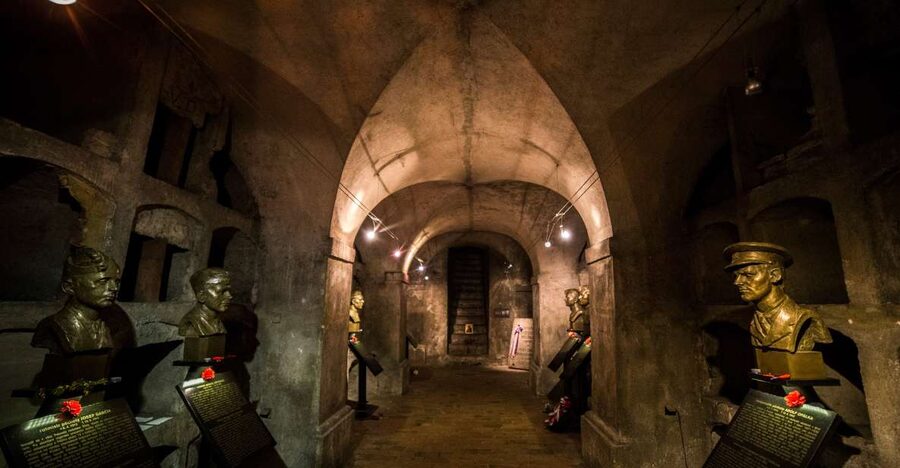
You meet at 7, Týnská 627/7, in central Prague, right by Týn Cathedral. The directions are straightforward: when you’re behind Týn Cathedral, turn left on Týnská Street, then look for the wooden door on house number 7. It’s the kind of meeting point that rewards arriving a few minutes early, especially if you’re sorting out landmarks in the cold.
The tour immediately sets a WWII tone. You’re not just hearing dates, you’re being shown how occupation-era decisions played out around public squares, official buildings, and ordinary streets. That matters because Prague’s city center can look “timeless” at first glance. This walk corrects that feeling fast.
If you’re the type who likes questions answered in plain language, this is a good fit. The guides for this route get praised for clear English and interactive storytelling, including named guides like Allen, Daniel, Martin, Richard, and Pablo on various departures.
Dům U Kamenného zvonu and Celetná: learning history from stone
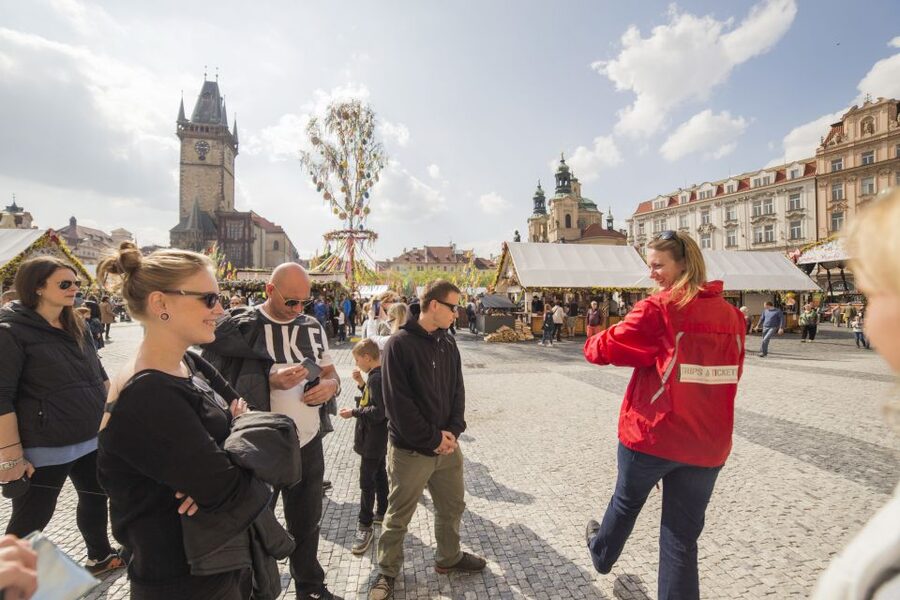
After the meeting point, you head toward two important parts of the Old Town core, Dům U Kamenného zvonu and Celetná. These stops are guided, which is helpful because you’re not just looking at facades. You’re hearing what the city looked like under pressure, and how certain places became tied to resistance planning and German control.
What I like about these early stops is the “cause and effect” teaching style. Instead of treating World War II in Prague as one long gloomy blur, the guide helps you track how occupation tightened, how resistance network decisions carried risk, and why some people took those risks anyway.
A small practical tip: if it’s chilly, these are the moments where you’ll feel wind more. Wear layers. Bring gloves if you run cold. One reviewer suggested taking refuge from wind at shelter points when stops allow, and that’s smart advice for this area.
Other tours covering Operation Anthropoid and Lidice:
- Prague: WWII Guided Tour & The Crypt of Operation Anthropoid
★ 4.7 · 1,030 reviews - WWII in Prague Tour & The Crypt of Operation Anthropoid
★ 5.0 · 817 reviews - Small-Group World War 2 & Operation Anthropoid Tour in Prague
★ 5.0 · 231 reviews
Wenceslas Square and Charles Square: seeing occupation politics in open air
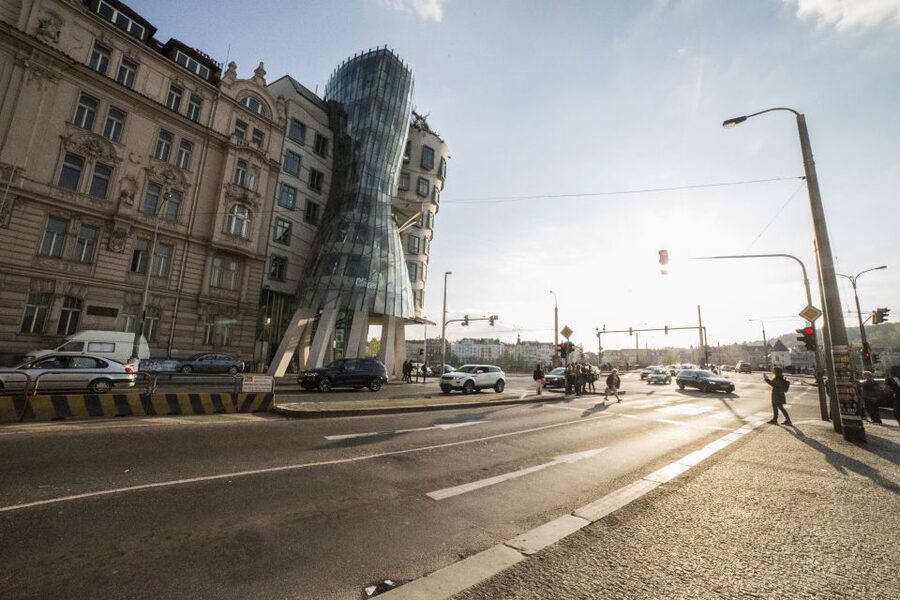
From the Old Town streets, the tour moves toward the big stage of Wenceslas Square, then continues around Charles Square. These are high-visibility public spaces. That’s exactly why they work for this subject. Wartime power is easier to understand when you can point at where people gathered, where authority announced itself, and where history played out in front of large groups.
You’ll get explanations that connect occupation-era events to resistance activity, and the guide ties this into the broader timeline, including events linked to the early days of the war. The walking pace here stays manageable, but it’s still a steady 3 hours, so expect your legs to get some work in.
If you’re hoping for mostly quiet, museum-style storytelling, this route may feel more “street history” than “indoor history.” Still, that’s the point. You learn faster when the story keeps moving with you.
Petschek Palace: why buildings matter when power changes hands
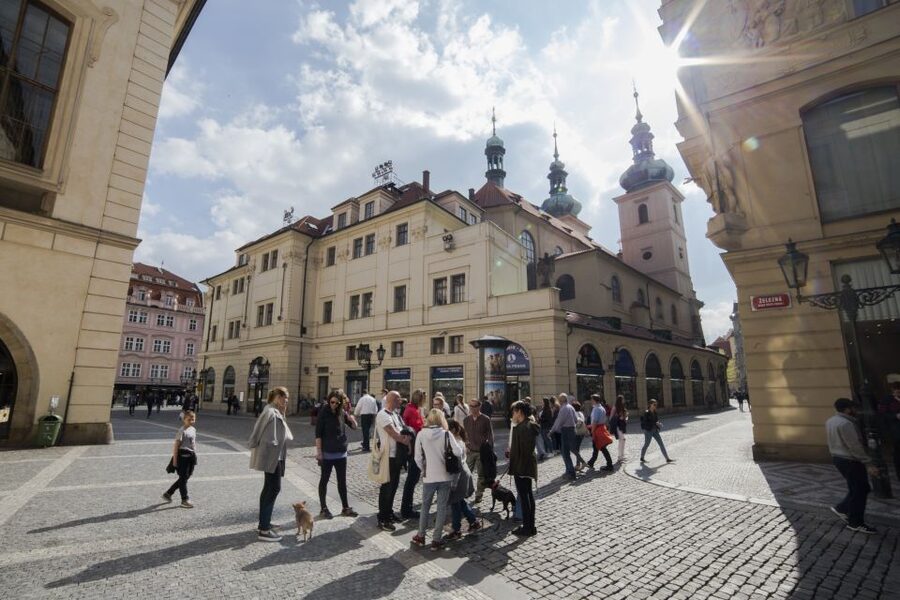
Petschek Palace is one of the stops that turns architecture into an argument. You’re not visiting it as a random landmark. You’re using it as a reference point in the WWII political map the guide builds for you.
This is where the tour starts feeling like a puzzle with names attached. The guide explains who the key players were in Operation Anthropoid, and how resistance efforts were shaped by the machinery of occupation. You’ll hear why the assassination plot was targeted, and how that connected to the occupation’s retaliation system.
The best part is how the guide helps you hold multiple threads at once. Prague under Nazi rule wasn’t one single story. It was a chain reaction across institutions, surveillance, and resistance networks. A good guide makes that chain understandable.
Building the resistance timeline: Prague Uprising and student uprising context
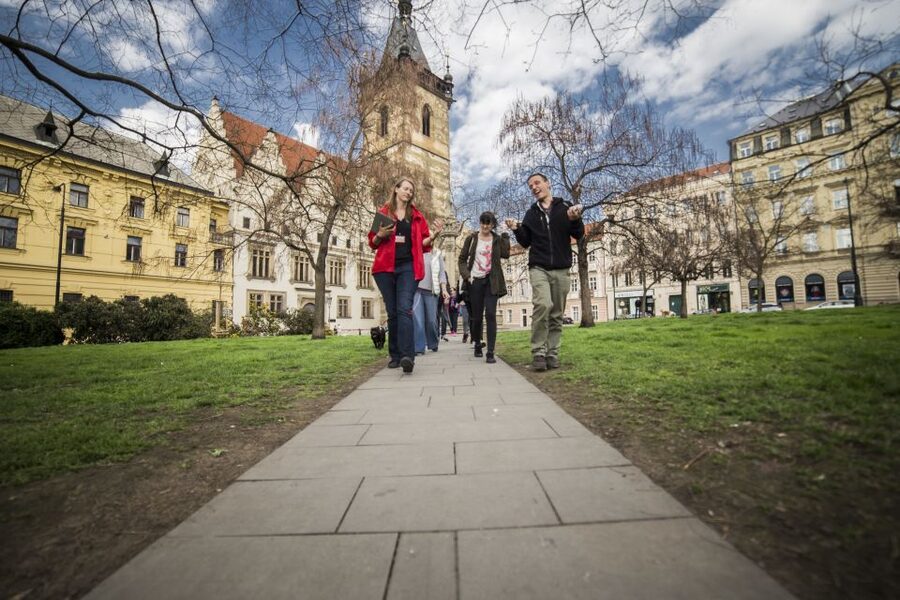
This tour doesn’t jump straight to the assassination. It builds context: the Prague Uprising and the student uprising are part of the wider resistance story you’ll get along the way. For me, this is one of the most valuable features. If you only hear about the famous operation, you miss the “why now” behind it.
Here’s what to listen for. The guide doesn’t treat resistance as luck. You’ll hear how earlier unrest and resistance activity shaped later choices. That helps you see why some people took extreme risks. It also helps you understand how the occupation created conditions where resistance was possible, but never safe.
If you like history that connects the personal to the political, you’ll probably enjoy this portion most. The story is presented in a way that stays focused on what mattered for Prague, not just what happened somewhere else.
More walks in Prague:
- Prague: 3-Hour Walking Tour of Old Town & Prague Castle
★ 4.7 · 5,696 reviews - Prague: Ghost Walking Tour Where Legends Come To Life
★ 4.4 · 5,253 reviews - Prague: Jewish Quarter Walking Tour with Admission Tickets
★ 4.7 · 3,729 reviews - Prague Guided Walking Tour and Cruise with Authentic Czech Lunch
★ 5.0 · 3,627 reviews
Operation Anthropoid on the ground: assassination, hiding places, and the real cost
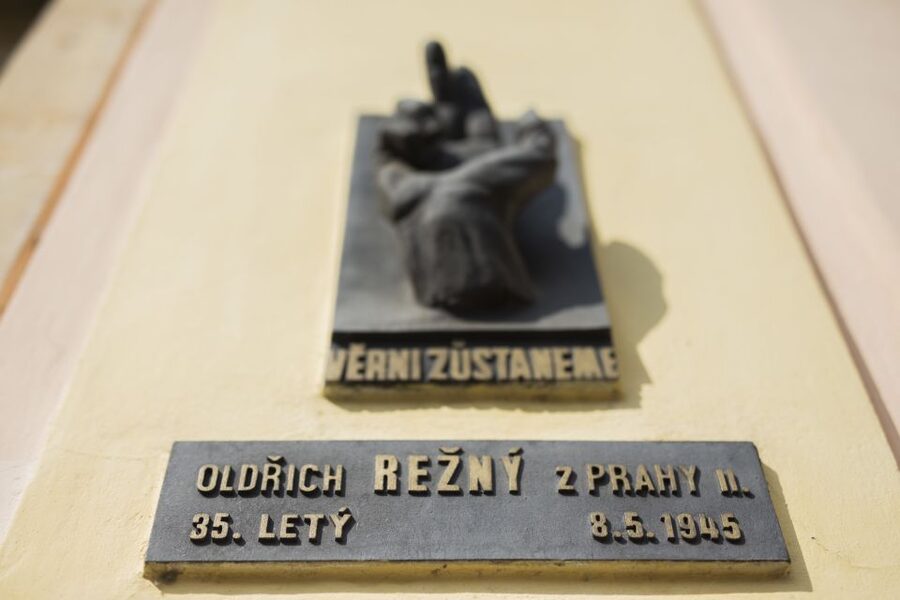
At the heart of the tour is Operation Anthropoid. The guide explains what it was and who the key players were, with a focus on how the plan connected to resistance hiding places under occupation.
This matters because the tour is not just about the moment of an assassination. It’s about what the operation triggered afterward, including the brutal retaliation period remembered through memorials you’ll visit later. You get the sense that one planned act collided with an entire system of terror.
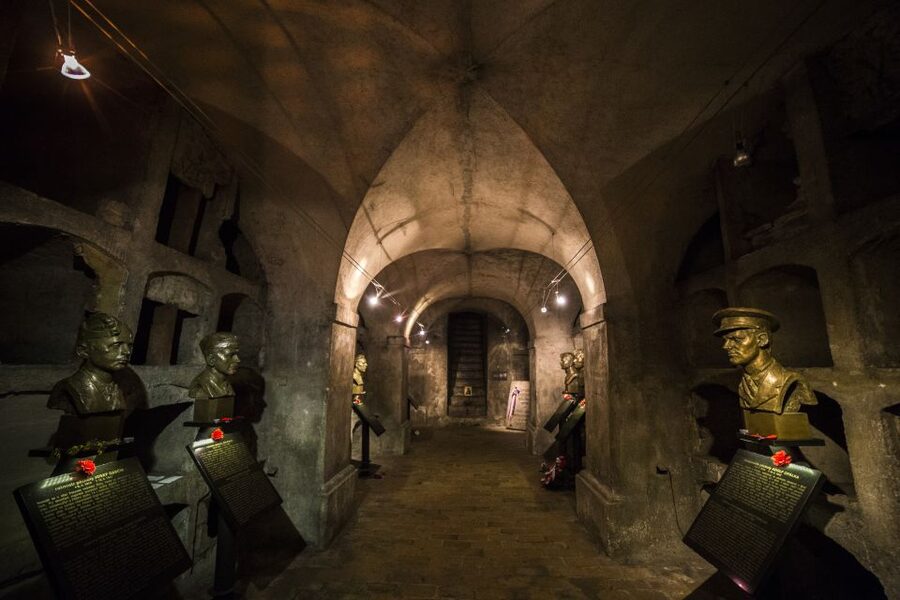
One of the highlights is seeing the last hiding place of the Czech resistance, connected to the Czech paratroopers. That location is tied directly to the final stop at the Church of St. Cyril and Methodius, and it gives the whole walk an emotional spine.
This is also where I’d pay attention to how your guide handles names, roles, and motivations. Many guests praise the guides for story clarity and for making it feel like a journey rather than a list of facts. If you’re the type who enjoys asking questions, a small group helps you actually use that chance.
National Memorial to the Heroes of the Heydrich Terror: understanding retaliation
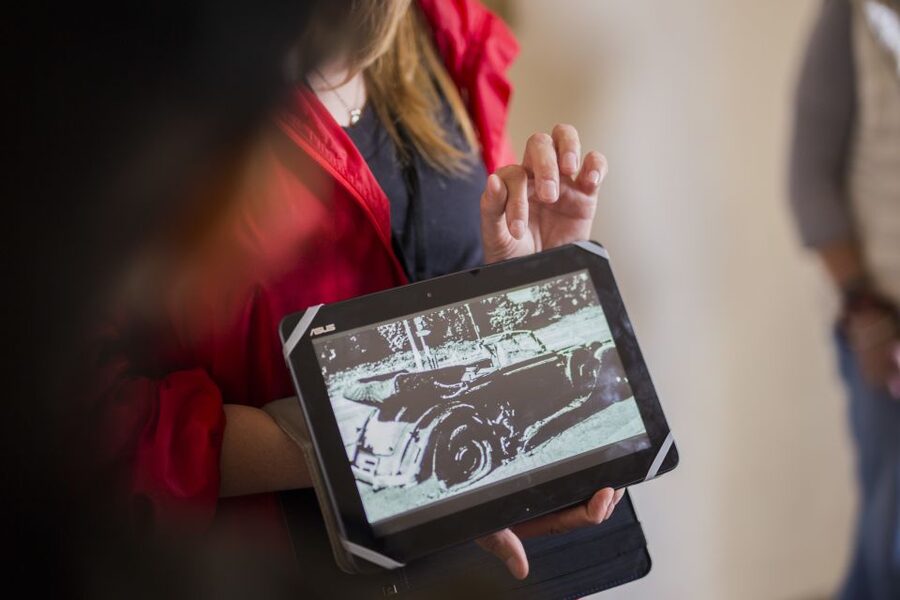
After the main contextual stops, you visit the National Memorial to the Heroes of the Heydrich Terror. The title alone tells you the tour isn’t focused only on the assassination plot. It’s focused on what followed: the terror period, and the way resistance efforts were met with harsh consequences.
This memorial is a turning point for your emotional understanding. Before it, you’ve been learning how resistance networks operated. After it, you understand the price paid by ordinary people caught in the fallout.
You’ll likely find the guide’s explanation here helps you connect the memorial to the broader WWII Prague story. Not in a vague way. In a practical way, so the city stops feeling like scenery and starts feeling like evidence.
St. Cyril and Methodius Church: the reflective ending you’ll remember
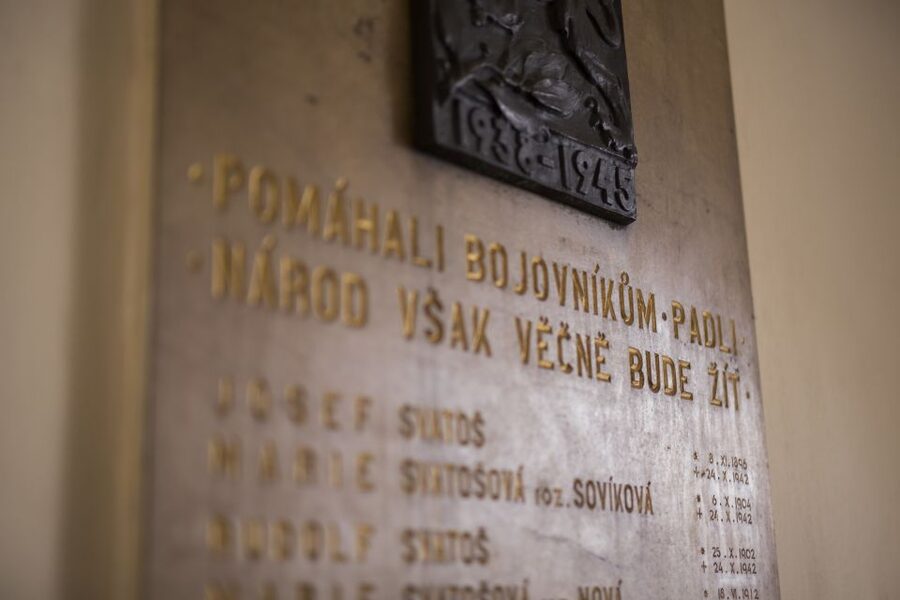
The tour ends at Chrám svatých Cyrila a Metoděje, the Church of St. Cyril and Methodius in the New Town area. It now serves as a memorial to the victims of the Third Reich, and it’s the place tied to the last resistance of the Czech paratroopers.
This final stop is designed for a slower pace. You don’t just pass through. You spend time contemplating Prague’s tragic history before heading back toward the Old Town.
One big reason people love this ending is the sense of place. You’re standing where the story’s final chapter is anchored, and that makes the earlier streets feel more real. Some guides guide you toward understanding the paratroopers’ last hiding place within the church’s memorial spaces, and for many visitors, that part lands hard.
Bring your patience here. Even if you’re not a “church person,” treat it like a memorial site, not a monument. Give yourself a minute to let the meaning settle.
Price and pacing: is $32 good value for 3 hours?
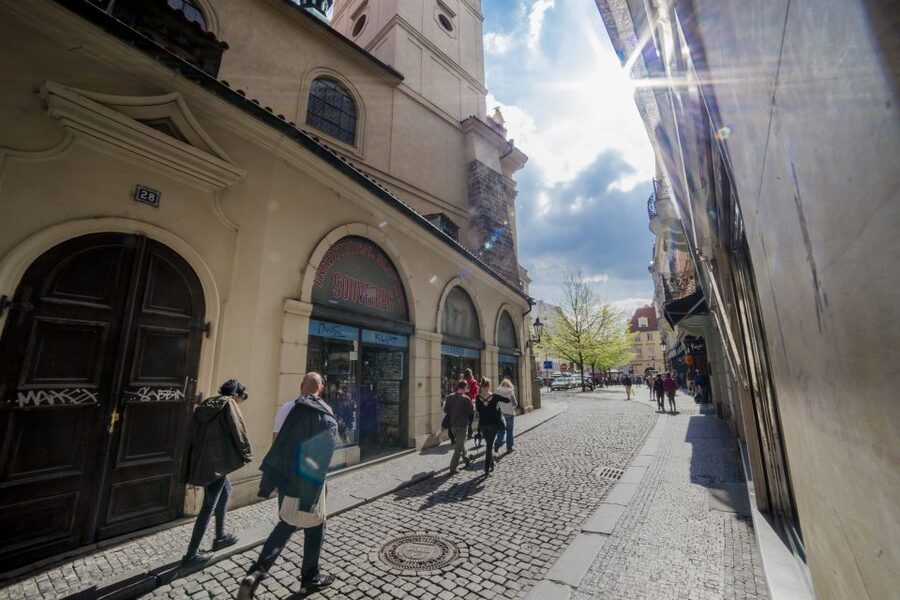
At $32 per person for about 3 hours, the value is solid if you want story-led history in a compact format. You get a local guide, guided stops across central Prague, and the church visit tied to the last resistance hiding place. No hotel pickup is included, so you’ll need to get yourself to the meeting point, but that’s common for focused walking tours.
The biggest “value multiplier” is the guide quality and the group size. This tour runs with a minimum of 2 guests, and private group options exist. In practice, smaller groups make it easier to ask questions and get answers that fit your interests, whether you want the human side of the story or the political side.
The downside is physical effort. Comfortable shoes are non-negotiable. This is not wheelchair accessible, even though it is stroller accessible, and service animals are allowed. If you can walk steadily for 3 hours, you’ll be fine. If not, you might find it stressful.
Who should book this Operation Anthropoid tour?
Book it if you:
- Care about WWII history with a Prague-specific focus
- Like walking tours where the city becomes a timeline
- Want the story of Operation Anthropoid and the context around the Prague Uprising and student uprising
- Prefer a guide who answers questions and explains the key players clearly
Skip it if you:
- Want mostly light sightseeing with minimal heavy content
- Struggle with longer walking on city sidewalks
- Need wheelchair access
Should you book the Prague WWII and Operation Anthropoid walking tour?
If you’re in Prague for a short trip and want one tour that explains why resistance in this city mattered, this is an excellent choice. The ending at St. Cyril and Methodius gives the whole experience emotional weight, and the route helps you connect assassination planning to the broader story of occupation and retaliation.
My advice: wear comfortable walking shoes, dress for wind and cold, and come ready to listen closely to names and motivations. This tour rewards attention. If you want history that feels tied to real streets, this one is worth your time.
FAQ
Where does the tour start?
The meeting point is in front of the building at 7, Týnská 627/7.
How long is the Prague WWII and Operation Anthropoid walking tour?
The tour lasts about 3 hours.
Is there hotel pickup included?
No, hotel pickup is not included. You’ll need to meet at the listed starting location.
What language is the guide?
The live tour guide speaks English.
Does the tour visit St. Cyril and Methodius Church?
Yes. The tour includes a visit to the Church of St. Cyril and Methodious (St. Cyril and Methodius), which is described as the location tied to the last resistance of Czech paratroopers.
Is the tour wheelchair accessible?
No. This tour is not wheelchair accessible.
Is it suitable for strollers?
Yes, the tour is stroller accessible.
What should I bring, and is there anything I should consider?
Wear comfortable shoes. The tour information also notes that service animals are allowed, and it runs with a minimum of 2 guests.
Added recently in Prague
- Half-day Private Tour of Prague’s Charming Jewish Quarter★ 5.0 · 4 reviews
- Karlstejn Castle Half Day Tour from Prague★ 3.5 · 4 reviews
- Private Full-Day Tour Karlstejn Castle and Crystal Glassworks from Prague★ 4.5 · 4 reviews
- Prague Castle and Charles Bridge Private Walking Tour★ 5.0 · 4 reviews
- Prague: Sports Cards & Artifacts Museum Tickets★ 4.6 · 4 reviews
- Private tour to Cesky Krumlov★ 5.0 · 4 reviews
- Prague: Target Gun Shooting Experience with Hotel Pickup★ 4.7 · 4 reviews
- Prague Airport Transfers, Praga Aeropuerto Traslados, ESPAŇOL-ENG★ 5.0 · 4 reviews