
Reviewed · COOKING CLASSES
Prague: Traditional Czech Baking Class
What makes this Prague baking class fun is the combo of real, hands-on Czech sweets plus a playful break in the downstairs ball pits. I like that you make apple strudel with homemade puff pastry and a second baked treat, seasonal fruit cakes, both from scratch. I also like how the teaching stays step-by-step, clear, and friendly for small groups. The only real drawback is that transportation is not included, and the meeting point is simply described as a very pink place, so you will want to plan how you get there.
You start with a short intro to Czech baking traditions, then get to work. The best part is that the time passes quickly: you bake, you rest during proofing, and you leave with packaged treats plus printed recipes. If you want a hands-on cooking class that feels like a workshop, this is a strong match.
Key Highlights You’ll Actually Care About
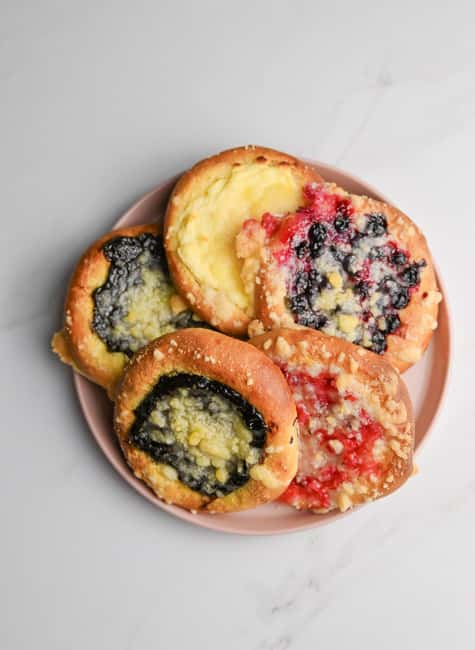
- Apple strudel and seasonal fruit cakes made from scratch, including puff pastry and handmade dough
- A 25-minute Czech baking traditions intro that sets the context for what you are learning
- All ingredients, equipment, and aprons provided, so you can focus on technique
- 5 interactive ball pits downstairs as a fun break while dough is proofing
- Small group, max 10 people, with an instructor who speaks English and Czech
- Take-home help included, with packages for your baked goods and printed recipes
A Prague Baking Class That Feels Like a Proper Workshop
Prague is famous for beer, bridges, and postcard views. But if you want a hands-on experience that feels personal, this Czech baking class is a great change of pace. You are not just tasting sweets. You are making them, step by step, with guidance and everything set up for you.
This is also one of those rare food activities where the fun is built into the timing. When dough needs proofing, you do not just sit around waiting. You get a break, and the downstairs ball pits make that break actually memorable. It turns a cooking class into an experience, without sacrificing the baking part.
Because it is a small group (up to 10), you tend to get more attention than you would in a large, fast-moving group class. And because the instructor speaks both English and Czech, it is easier to follow what matters, especially if you are not confident with kitchen instructions.
More cooking classes in Prague:
- Cooking Czech Menu with Chef
★ 5.0 · 61 reviews - Prague: Traditional Czech Cooking Class with Market Tour
★ 4.6 · 53 reviews - Prague Cooking Class Including Market Visit and 3-Course Lunch
★ 4.5 · 22 reviews
Finding the Very Pink Meeting Point and Getting Set Up
The meeting point is described as a very pink place, easily recognizable. That detail matters. Prague can be confusing when you are arriving for the first time, so plan to give yourself a little buffer time to locate it confidently.
Once you are there, you will get your aprons and the class setup. You do not need to bring ingredients or equipment. That alone is a quality-of-life win, because you can travel light and still participate fully. It also means the instructor can run the class smoothly for everyone, since tools and ingredients are already ready.
If you are someone who likes to start your day without stress, weekday mornings can help. The class is available on weekday mornings, so you can bake early and still keep the rest of your Prague day open.
The 25-Minute Czech Baking Traditions Intro
Before you start mixing and shaping, you get a 25-minute introduction to Czech baking traditions. This is not just a random history talk. It is part of the experience design, meant to connect what you make with where it fits in Czech food culture.
From what you will cover, expect the focus to be practical and story-based. You get fun facts and context around Czech sweets, so when you later form the strudel or work your way through dough, you are not doing it blindly. You are making something that has a home in Czech kitchens, not just a tourist-friendly recipe.
I like this kind of intro because it gives you a mental map. You understand what you are aiming for, and it makes the hands-on part feel more meaningful. If you prefer purely hands-on without any talking, this might feel like a warm-up rather than the main event. But it is short, just long enough to set the stage.
Apple Strudel With Homemade Puff Pastry: The Hands-On Part
This class centers on apple strudel and teaches you to make it from scratch, using homemade puff pastry. Apple strudel is the kind of Czech sweet many people recognize, but there is a big difference between eating strudel and understanding how it comes together.
In the hands-on portion, you will work through the steps required to prepare your strudel and assemble it for baking. Your instructor guides you along each stage with clear instructions. In real terms, that means you are not stuck guessing what comes next, and you are not expected to already know pastry technique.
One of the smartest practical touches is that ingredients and parts of the process are set up in a way that keeps you moving. You will have what you need, and many items are handled in advance so you spend your energy on learning, not measuring.
If you care about results, this part is where you will probably enjoy the most satisfaction. You get to shape and fill something that ends up as a real baked product you can take home. And since strudel is a classic, it also makes a great souvenir. You can taste your effort later, in your own kitchen, not just in the moment.
A few other Prague options
- Prague: 1.5-Hour Chocolate Museum Visit with Workshop
★ 4.4 · 387 reviews - Prague: Traditional Chimney Cake (Trdelník) Making Workshop
★ 4.9 · 227 reviews - Prague Beer Pouring Class at Pilsner Urquell
★ 5.0 · 129 reviews - Prague: Soy Candle-Making Workshop
★ 4.9 · 121 reviews
Seasonal Fruit Cakes and Handmade Dough
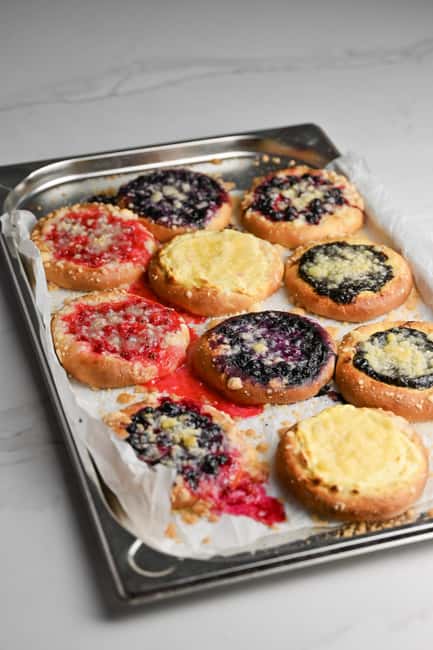
After you make your strudel, you also prepare seasonal fruit cakes with handmade dough. This second recipe matters, because it changes what you practice. Strudel can feel like one specific kind of baking skill. Fruit cake dough training gives you another angle, and it helps the class feel more like learning flavors and textures, not just one technique.
Seasonal fruit cakes also mean you get something that feels linked to timing. You are not only learning a concept, you are making a specific baked good that belongs in the rhythm of Czech home baking.
As you work, pay attention to dough handling and how you shape and prepare it. Even if you do not become a pastry chef overnight, you will walk away with a clearer sense of how dough behaves, how it should look as it comes together, and what you need to watch for while it bakes.
Proofing Breaks and the Ball Pits Downstairs
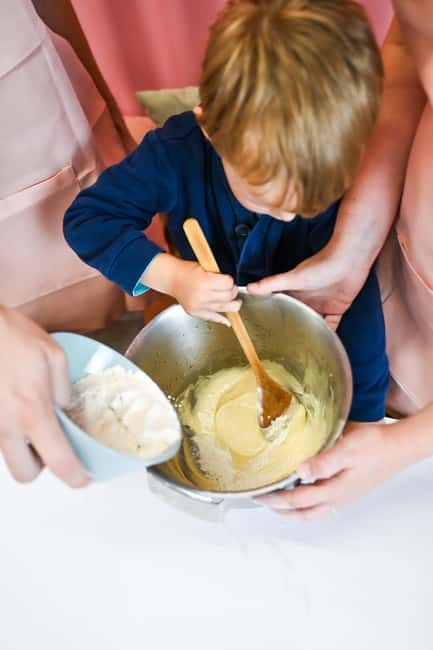
Here is the part that most people talk about, and it makes sense. The class includes 5 interactive ball pits. They are there for the breaks, especially when dough needs time to proof.
So the day does not feel like a nonstop kitchen marathon. You get the baking work when it matters, then you get a playful reset. People often underestimate how much that helps learning. When you are not exhausted, you listen better, you follow instructions better, and you do not rush the parts that require patience.
Downstairs ball pits are also a nice icebreaker in a small group. It shifts the vibe from formal classroom to friendly experience. And since the activity is built into the schedule, you do not have to fit it in yourself.
If you are traveling with kids, this part might look like a winning perk. But do check the age notes. The class is not suitable for children under 2 years, and babies under 1 year are not suitable either. Also, it is not suitable for wheelchair users, so plan accordingly.
Drinks and the Taste Test Moment

You are not going to leave totally hungry, because the class includes specialty coffee and homemade lemonades. That matters because it covers a comfort piece. After baking, you want something warm and pleasant, or something refreshing, without having to step out to find a café.
The lemonades being homemade is a nice detail. It makes the break feel more like a real Czech-style treat moment, not a bottled drink after a workshop. And coffee helps if you are still moving around Prague after the class and want a little extra energy.
If you are the kind of person who likes to compare your results, take a moment after baking to note the aroma and the texture. Even without a formal tasting lecture, you will likely notice differences between the strudel and the fruit cake as they cool.
What You Get Included, and Why It’s Good Value

At 1,650 Kč per person (about $80), you might wonder if it is pricey. In Prague, cooking classes can range widely, but the value here comes from what is covered.
You get:
- A 2-hour hands-on baking class
- A 25-minute intro to Czech baking traditions
- All ingredients and equipment, plus aprons
- Packages for your baked goods
- Printed recipes you can take home
- Specialty coffee and homemade lemonades
- Downstairs ball pits for breaks
So you are paying not just for instruction, but for the full setup: ingredients, tools, and even the containers to bring your baking home safely. You also get the printed recipes, which is a big deal. Without recipes, many classes become a one-time memory. With recipes, you can repeat at home.
This is also a smart buy if you like structured experiences. You are not trying to translate cooking instructions on your own, and you are not hunting for specialty ingredients in Prague stores on your limited time schedule.
Language Support: English and Czech in One Class
The instructor is listed as speaking English and Czech. In practice, that usually means you can follow along without needing translation apps. The clear structure of the class helps too.
From the way the experience is run, you can expect guidance at each step. People really appreciate instructors who are explicit, not just technical. When instructions are clear, you feel confident while baking and less anxious about making mistakes.
If you speak only English, you should be fine. If you speak Czech, you may catch more nuance. Either way, the bilingual setup helps keep the atmosphere welcoming.
Small Group Size and How That Changes Your Experience
The class is limited to 10 participants, which is a sweet spot. It is big enough to have fun energy, but small enough that the instructor can notice when someone is stuck.
In a kitchen setting, that matters. One person struggling with shaping or timing can slow down an entire group if the class is too large. In a small group, you get smoother pacing and more attention.
Also, small groups tend to feel more comfortable. You can ask questions without feeling like you are interrupting a fast-moving crowd.
Who This Prague Baking Class Is Best For
This is a good fit if:
- You want an authentic Czech baking experience, not just a tasting
- You like hands-on learning with clear steps
- You want a fun activity that also produces something edible to take home
- You enjoy small group settings
- You want a morning plan that still leaves you time later in Prague
You might want to skip it if:
- You need wheelchair access, since the class is not suitable for wheelchair users
- You are traveling with very small children, since there are age limits (children under 2, babies under 1)
- You are expecting transportation to be part of the deal, since it is not included
Should You Book This Traditional Czech Baking Class in Prague?
I think you should book it if you want a structured, small group, hands-on food experience that includes real baking plus fun breaks. The standout points are the pairing of two classic Czech sweets you make from scratch and the “while you wait” entertainment of the ball pits downstairs. Add the included drinks, packaging, and printed recipes, and it feels like good value for what you actually get.
If your priority is only sightseeing and you do not want to spend time in a kitchen, then you might choose another Prague activity. But if you want something different from the usual walking tours, this is a practical, memorable way to experience Czech food culture with your hands, not just your camera.
FAQ
What is the duration of the Prague traditional Czech baking class?
The class lasts 3 hours total, including a 25-minute introduction and a 2-hour hands-on baking session.
What do I learn to make in the class?
You make apple strudel using homemade puff pastry, and seasonal fruit cakes using handmade dough.
Is transportation to the venue included?
No. Transportation is not included.
Are ingredients and equipment provided?
Yes. The class includes all ingredients and equipment, and you are given aprons.
What drinks are included?
The class includes specialty coffee and homemade lemonades.
How large is the group?
It is a small group limited to 10 participants. There is also a minimum group size of 2 people.
What languages does the instructor speak?
The instructor speaks English and Czech.
Is it suitable for wheelchair users?
No. It is not suitable for wheelchair users.
Added recently in Prague
- Half-day Private Tour of Prague’s Charming Jewish Quarter★ 5.0 · 4 reviews
- Karlstejn Castle Half Day Tour from Prague★ 3.5 · 4 reviews
- Private Full-Day Tour Karlstejn Castle and Crystal Glassworks from Prague★ 4.5 · 4 reviews
- Prague Castle and Charles Bridge Private Walking Tour★ 5.0 · 4 reviews
- Prague: Sports Cards & Artifacts Museum Tickets★ 4.6 · 4 reviews
- Prague: Target Gun Shooting Experience with Hotel Pickup★ 4.7 · 4 reviews
- Private tour to Cesky Krumlov★ 5.0 · 4 reviews
- Prague Airport Transfers, Praga Aeropuerto Traslados, ESPAŇOL-ENG★ 5.0 · 4 reviews
Cooking Classes, compared.

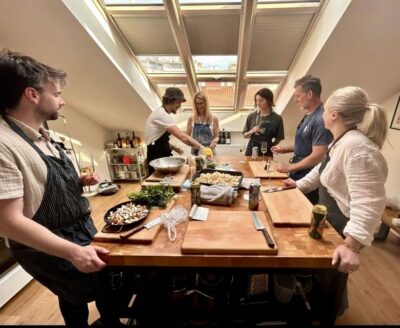
Traditional Czech Cooking Class with Market Tour
Read our review →
Prague Cooking Class Including Market Visit and 3-Course Lunch
Read our review →

Discover Czech Cuisine: Cooking Class & Dinner in Historic Home
Read our review →Browse the lists this tour appears in