
Reviewed · MUSEUMS
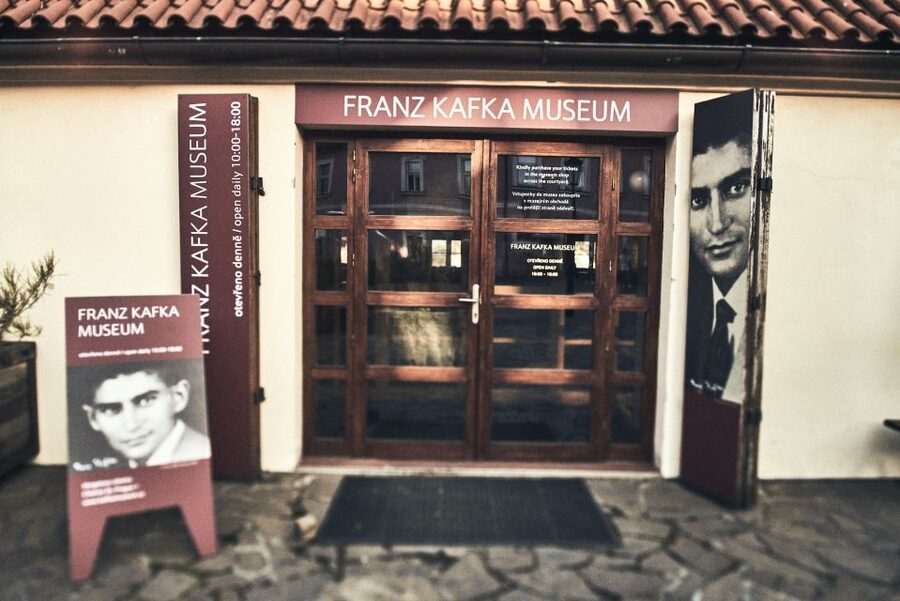
Prague: Tickets for the Franz Kafka Museum
This ticket is interesting because it turns Kafka into something you can see and hear, right where he lived in Prague. You get a guided start, then you wander through artifacts and modern media that explain his world in plain, human terms. It is literature history with real objects, not just quotes on a wall.
I love two things most. First, the collection focuses on Kafka’s own material like letters, diaries, manuscripts, photographs, drawings, plus first editions. Second, the museum uses 3D installations, audiovisual pieces, and a created-for-the-exhibition soundtrack, so the stories feel active rather than dusty.
One thing to consider: the museum can feel small and busy, so it may be harder to read everything slowly. Also, a few display areas, especially some photo sets, can come with limited explanation linking them directly back to Kafka, so the short intro you get beforehand matters.
Key highlights in real-world terms
- 20-minute outside introduction that gives you the context before you go in on your own
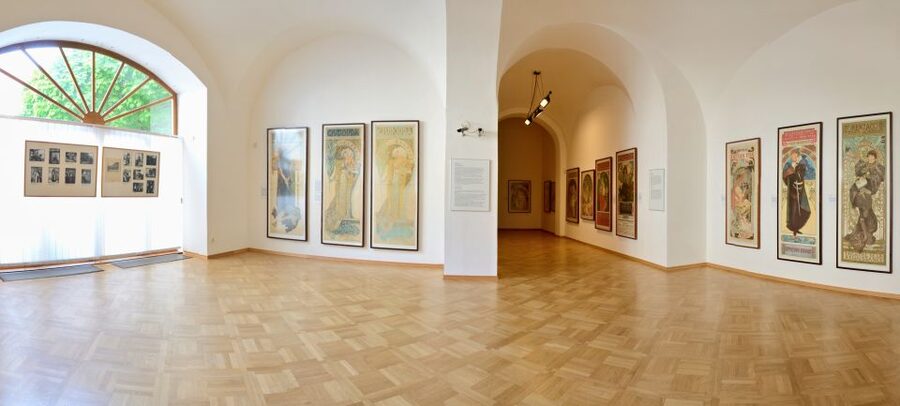
- First editions and personal papers including letters, diaries, manuscripts, photographs, and drawings
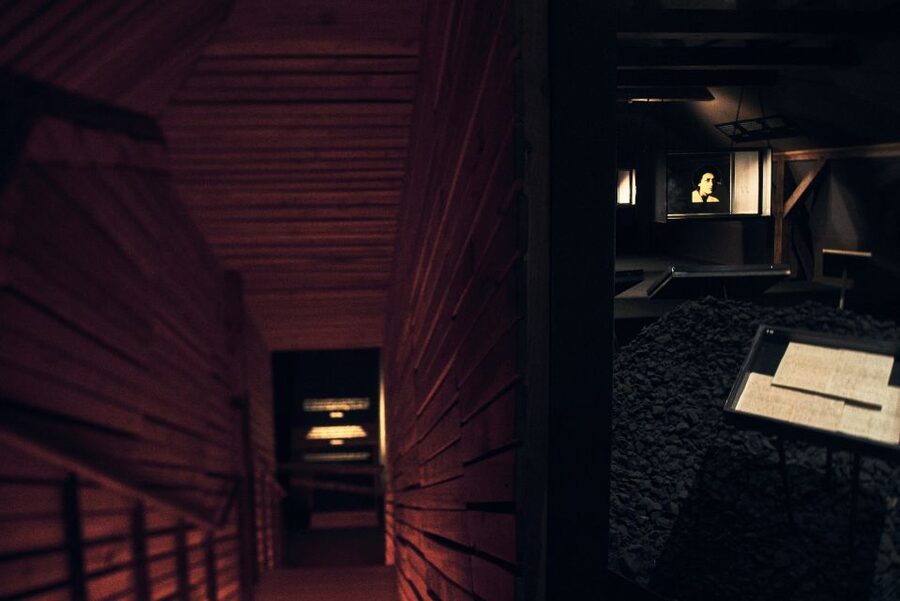
- 3D installations and audiovisual storytelling plus an exhibition soundtrack you can follow along with
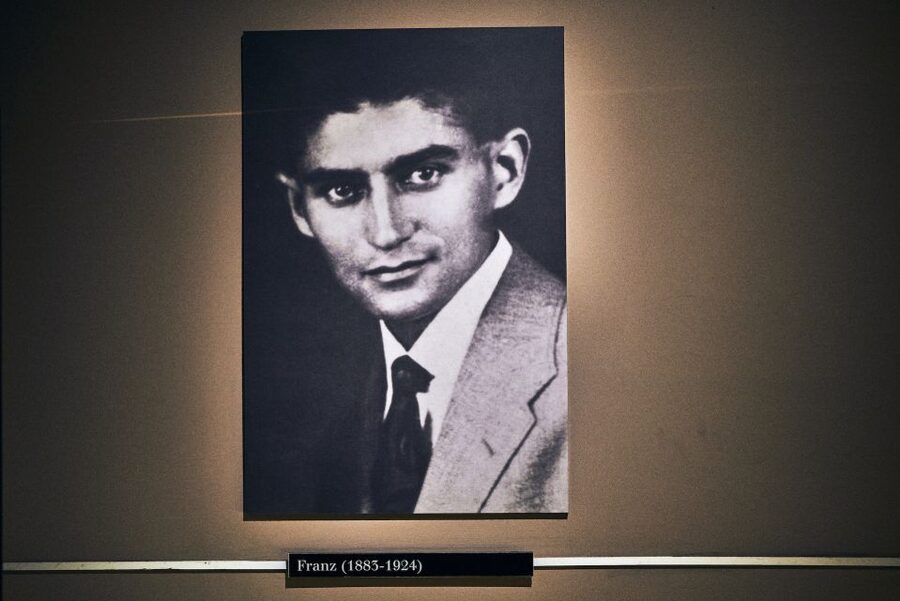
- Kafka timeline from 1883 to 1924, when he was alive in Prague
- Self-paced museum time, so you control how long you linger at each display
- English host or greeter at the meeting point, easy to find by a yellow umbrella
Entering the Franz Kafka Museum with context, not a checklist
If you love Prague, you probably also love stories. What makes this museum ticket worth your time is that it does not ask you to do all the background work yourself first. You start with a guided introduction outside the museum for about 20 minutes, then you go in and explore at your own speed.
That setup matters. Kafka can be hard to separate from big reputations and heavy themes. A short briefing helps you connect the objects to the man and to the time. Once you step inside, you are not just looking at “Kafka stuff.” You are trying to understand how a person’s daily life, worries, and writing practice can leave traces you can actually hold in your eyes.
And you get to travel through the years he lived: the museum frames his life during 1883 to 1924. That timeline anchor keeps the experience from feeling random. You start to recognize patterns in what you see, even if you are not a literature scholar.
More museums in Prague:
- Prague: Museum of Fantastic Illusions Entry Ticket
★ 4.3 · 4,337 reviews - IAM Illusion Art Museum Entry Ticket
★ 4.2 · 1,664 reviews - Prague: Museum of Senses Admission Ticket
★ 4.0 · 1,445 reviews
The meeting point moment: find the yellow umbrella
Before anything else, know how you will meet the guide. Your host or greeter is English, and you look for them holding a yellow umbrella at the meeting point at the museum.
This is a small detail, but it reduces stress. Kafka’s Prague is popular, and it is easy to drift into the wrong entrance or queue. A clearly described meet point like this helps you get your bearings fast so you can focus on the experience once you are inside.
After you meet the guide and get your tickets, you get a briefing that starts you on your journey. Then you leave the guide behind and enter the museum. That “start together, explore separately” rhythm is part of the design, and it shapes how to get the most out of the visit.
The museum routine: guided start, then true self-paced exploring
Here is how the visit usually flows based on what is included. First, you meet the guide and receive your tickets. Then you get that 20-minute guided introduction outside the museum. Finally, you go into the galleries and proceed at your own pace.
Two practical implications.
1) You do not need to keep up with a group inside the museum. If you want to linger over handwritten pages or sit with the exhibits that use sound and motion, you can.
2) You should pay attention during that short outdoor intro. Since you do not have a museum guide inside, the briefing is your best chance to understand how to read what you are seeing.
Also, note what is not included: there is no guide inside the museum. That means the labels and the exhibits do the heavy lifting once you enter. If you are the type who learns best from a running commentary, you may want to make sure the outside intro covers what you care about most.
What you will see: artifacts that make Kafka feel close
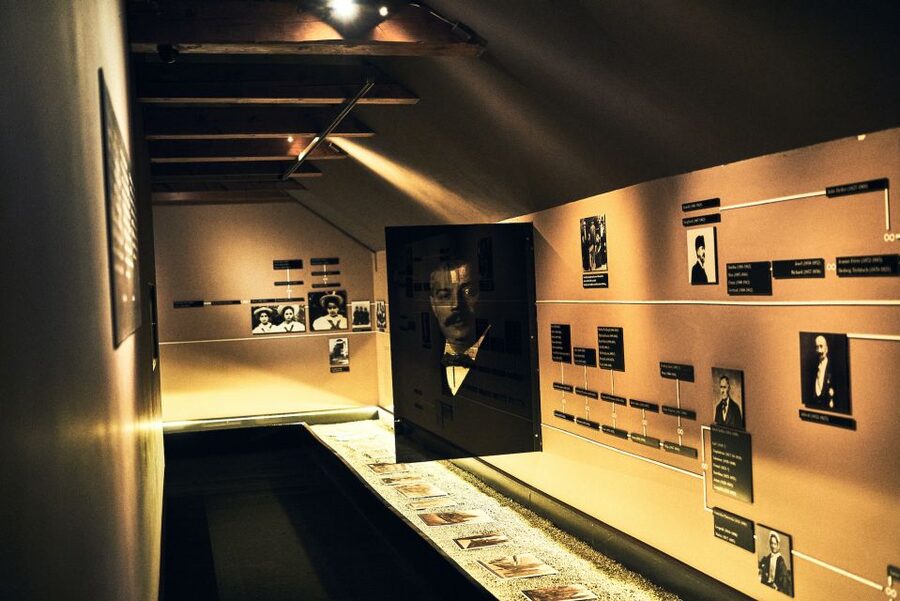
This is the part I think you will most remember: the museum brings Kafka’s work into your line of sight through original material. You can expect to see letters, diaries, manuscripts, photographs, and drawings. The museum also includes first editions of Kafka’s works.
When a museum shows a person’s writing, there are two ways it can go. It can turn into abstract reverence, or it can feel human. This one leans human because you are confronted with evidence of thinking on paper.
You will likely notice the difference between items that record the public Kafka and items that show the private one. Letters and diaries tend to feel more immediate because you are seeing language that existed before publication, before an audience, before interpretation hardened. Manuscripts and drawings can also show process, not just results.
If you are the kind of visitor who likes to connect objects to a timeline, the museum’s framing helps. It is built around the years when Kafka was alive in Prague, so your mind keeps asking, what was happening then, and how might that show up in what he wrote?
A few other Prague options
- Prague: Skip-the-line Castle Ticket and Optional AudioGuide
★ 4.3 · 11,121 reviews - Prague: Castle Tour with Local Guide and Entry Ticket
★ 4.6 · 10,422 reviews - Prague Castle 2.5-Hour Tour Including Admission Ticket
★ 4.7 · 8,927 reviews - Prague: Old Town Hall Tower Entry Ticket
★ 4.5 · 6,749 reviews
The 3D installations and audiovisual rooms: storytelling you can follow
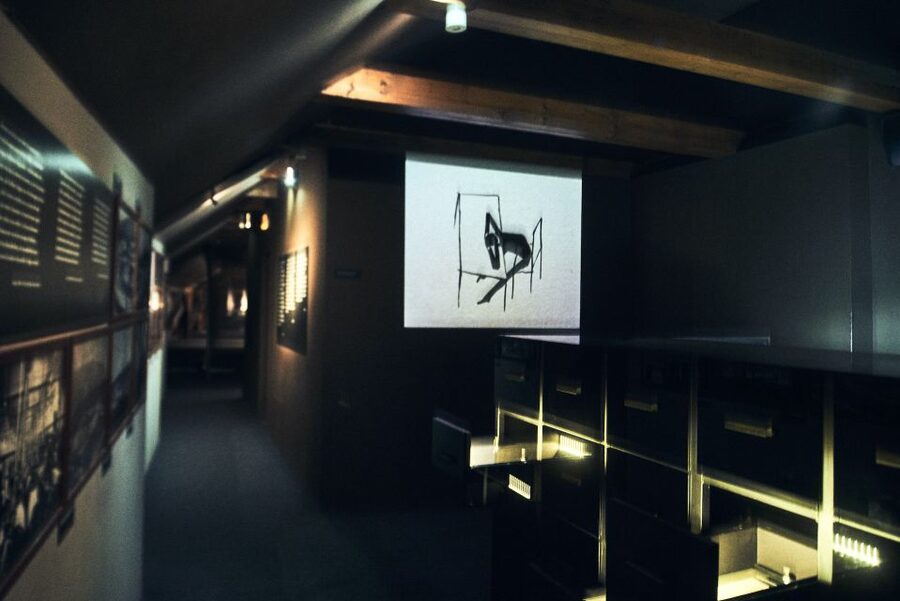
Kafka’s ideas can be cerebral. The museum offsets that with media that turns themes into something you can experience.
You should expect 3D installations, audiovisual pieces, and a soundtrack specifically created for the exhibition. This is not background music in the usual sense. It is part of how the museum communicates.
Here is what I like about this approach as a traveler: modern media can either be distracting or it can guide attention. When it works, it gives you structure, especially if you find literature museums heavy. The created soundtrack and audiovisual elements can help you move through the experience as a narrative, rather than as a set of separate displays.
Just keep a realistic expectation: media-driven exhibits can move faster than reading labels. If you are a slow reader, you may want to choose your moments. Spend extra time where the room supports it, and don’t feel guilty skipping ahead to the next artifact if your energy dips.
Using the short guided intro to fix what the labels may miss
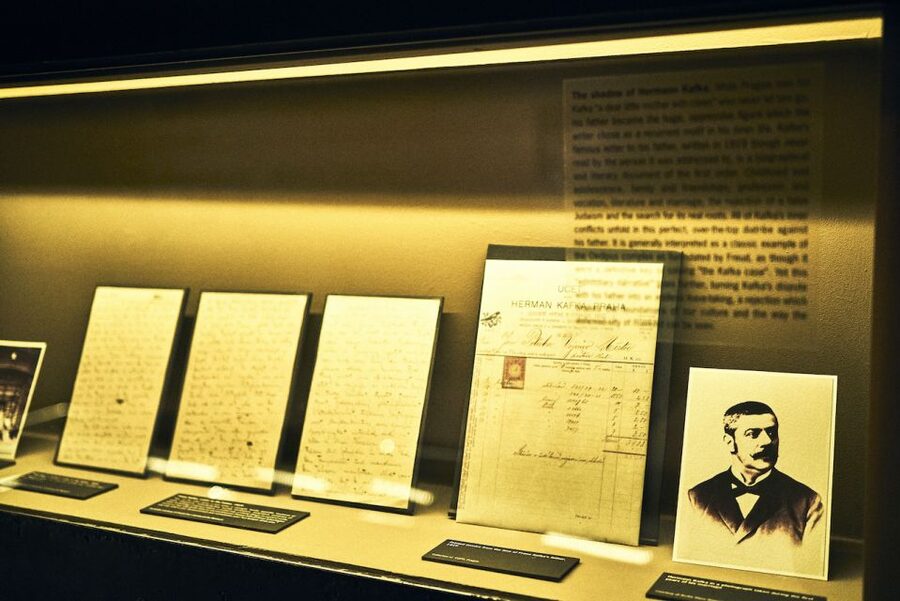
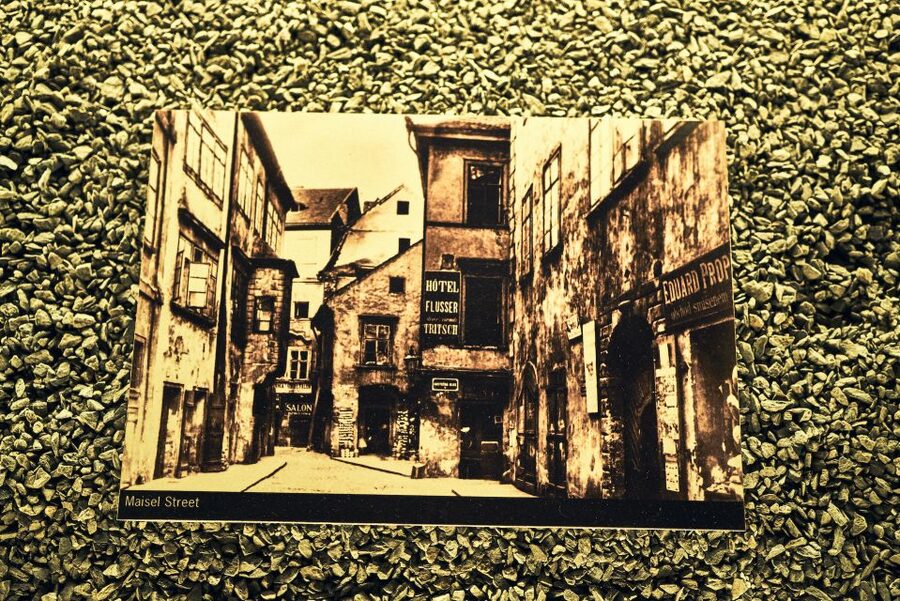
One of the practical lessons from how people describe the museum experience is simple. Some areas, especially parts that involve photographs, may not always provide extensive text explaining how each image connects back to Kafka himself.
That is not a dealbreaker, but it changes how you should approach the visit. Since there is no guide in the museum, you can use the outside intro as your “key” for interpreting what follows.
So when you meet the guide, treat it like a mini course. Ask yourself: what do I want to understand most? His life in Prague? How his writing process worked? The themes that shaped his output? Even if the intro is only 20 minutes, getting the right framing can make the displays click later.
Then when you reach displays with fewer connecting notes, you are not lost. You already have context.
Pacing in a small museum: how to avoid feeling rushed
This museum can be small, and it can also feel crowded. That matters because you are dealing with delicate, detail-driven content like handwritten pages, diagrams, and document-like displays.
If you want to get value, plan for selective attention.
I recommend a two-pass mindset. First pass: identify the big clusters of letters, diaries, manuscripts, and first editions. Second pass: return to the couple of items that grabbed you and give them your best time.
Also, if you feel pressure because the room is busy, do not force yourself to read every label word for word. You can still learn a lot by focusing on patterns, such as how different documents reflect different parts of a life.
And if you find yourself stuck behind people, keep moving. The experience is built to be navigated. You are there for Kafka’s personal trail through Prague, not to stand still at the first display you see.
Price and value: when $28 feels fair and when it might not
At $28 per person for a 1-day ticket, you are paying for three things:
- A museum entry that grants access to the exhibits
- A 20-minute guided introduction outside the museum
- The museum’s special format, including 3D installations, audiovisual elements, and a dedicated soundtrack
For value, here is my take. If you genuinely want primary-source style content, including letters, diaries, manuscripts, drawings, and first editions, this ticket is a focused purchase. You are not paying for a giant spread across many buildings. You are paying to concentrate.
If you are only casually curious about Kafka, or you prefer large multi-room museums with lots of breathing space, you might feel boxed in by a smaller layout and the chance of crowding. In that case, you may need to visit with a clear plan: pick what you want to see, and accept that you will not do everything slowly.
Also, remember that the experience includes context at the start. That outside briefing is part of the value. It sets you up to understand the exhibits without a guide inside the museum.
Who this ticket fits best in Prague
This museum ticket is best for people who like literature when it has physical proof behind it.
You will probably enjoy it if:
- You want Kafka’s personal documents rather than only interpretations
- You like exhibits that use sound and modern media alongside traditional displays
- You prefer a self-paced experience after a short structured start
- You are in Prague and want a day activity tied to a major cultural figure born in Prague
You might be less satisfied if:
- You hate crowded indoor spaces or details-heavy rooms
- You want a constant guide walking you through every gallery
- You need lots of explanatory label text for every single photo set
Should you book the Franz Kafka Museum ticket?
Yes, I think you should book it if you like getting closer to a writer through actual documents and you enjoy media-enhanced storytelling. The ticket includes what makes the museum work: the 20-minute introduction outside plus access to first editions and Kafka’s personal papers, then the 3D and audiovisual parts with a created soundtrack.
Book it with one expectation in mind: this is not a huge museum day where you wander for hours without ever feeling time pressure. It is more like a concentrated, thoughtfully arranged experience. If you enter ready to focus, you will come away with a stronger sense of who Kafka was, not just what he wrote.
FAQ
What’s included with the Franz Kafka Museum ticket?
The ticket includes entrance to the museum and a 20-minute guided introduction outside the museum.
Is there a guide inside the museum?
No. The guided part is outside to brief you before you explore the exhibits on your own.
How long is the guided introduction?
It is about 20 minutes outside the museum.
What language is the host or greeter?
The host or greeter is English.
Where do I meet the guide?
Look for the guide who will be holding a yellow umbrella at the meeting point.
What kind of items and exhibits can I expect to see?
You can expect first editions and Kafka’s letters, diaries, manuscripts, photographs, and drawings, plus 3D installations, audiovisual pieces, and a soundtrack made for the exhibition.
Added recently in Prague
- Half-day Private Tour of Prague’s Charming Jewish Quarter★ 5.0 · 4 reviews
- Karlstejn Castle Half Day Tour from Prague★ 3.5 · 4 reviews
- Private Full-Day Tour Karlstejn Castle and Crystal Glassworks from Prague★ 4.5 · 4 reviews
- Prague Castle and Charles Bridge Private Walking Tour★ 5.0 · 4 reviews
- Prague: Sports Cards & Artifacts Museum Tickets★ 4.6 · 4 reviews
- Prague: Target Gun Shooting Experience with Hotel Pickup★ 4.7 · 4 reviews
- Private tour to Cesky Krumlov★ 5.0 · 4 reviews
- Prague: Celebrity Chef’s Terrace Dining Experience★ 5.0 · 4 reviews
Museums, compared.
IAM Illusion Art Museum Prague Fast Pass Ticket
Read our review →

Ticket to Audiovisual Light Art at Lumia Gallery
Read our review →
Browse the lists this tour appears in