
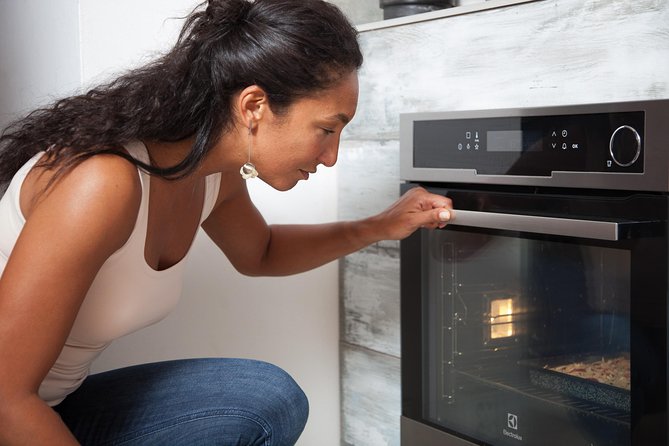
Reviewed · PRAGUE
Cook Authentic Czech with Grandma’s Recipes
Prague has plenty of great food. This experience is interesting because it teaches you the why, not just the how, in a small, hands-on class with Aida & Bret at Good Mood Food.
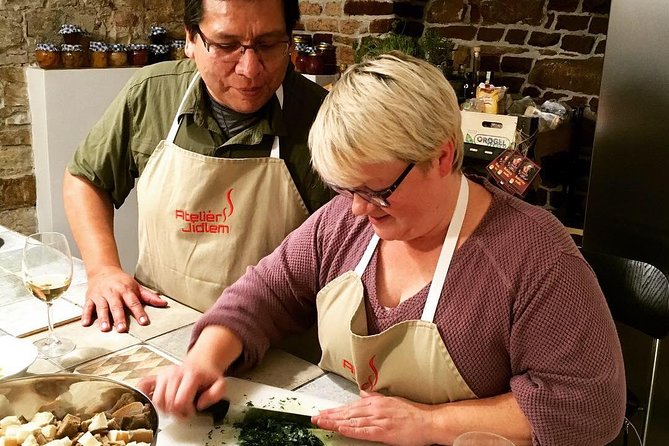
I love the start-to-finish cooking setup, where you help make the full menu and sit down to eat what you cooked. I also love the real cultural talk that comes with the recipes, including Czech traditions and food rituals that make the meal feel personal, not scripted.
One thing to consider: the meeting spot can feel a bit tricky at first. The entrance details can be confusing, so plan a little time to find the doorbell and the right entryway.
Key things to know before you cook Czech food in Prague
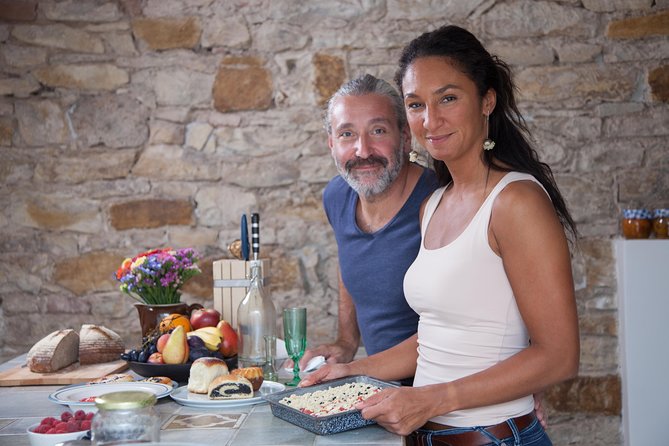
- Small group format keeps it hands-on, with class size capped very low (listed up to 10 guests, with a maximum of 8 travelers).
- Aida or Bret leads the class, so you get a single consistent teaching style, story style, and pacing.
- You cook a full traditional menu, including a starter, a main with a side dish, and a dessert.
- Simple kitchen tools, real technique, so you can recreate the recipes later without needing fancy gear.
- Homemade Czech extras come into play, like pickled vegetables and marmalades, plus snacks and drinks.
- Good drinks and good vibes are part of it, with wine included and moonshine shots showing up in some sessions.
Why this Prague cooking class feels more real than another food stop
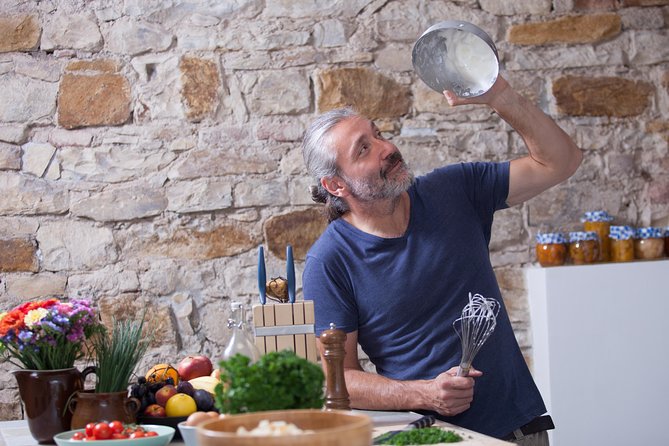
If you’re tired of just eating your way through Prague, this kind of class is a smart change of pace. You’re not waiting for a table. You’re in the kitchen. And because the menu is traditional, you get a better sense of what Czech home cooking tastes like beyond the tourist hits.
I also like that the teaching approach is built around connection. Aida and Bret frame food as a cultural and social thing, not just calories. Expect conversation about traditions, rituals, and how recipes have traveled through families and regions.
The other practical reason this works well is the pacing. With a half-day length and a small group, you get enough time to actually participate, not just chop for five minutes and then watch.
In the same part of Prague:
- Prague: 50-Minute Sightseeing Evening Cruise
★ 4.2 · 33,780 reviews - Prague: Medieval Dinner with Unlimited Drinks
★ 4.4 · 19,847 reviews - Prague: Skip-the-line Castle Ticket and Optional AudioGuide
★ 4.3 · 11,121 reviews
Good Mood Food’s atelier: cooking in a 400-year-old building
Your “kitchen classroom” is Good Mood Food’s self-designed Good Food Atelier, set inside a 400-year-old building. That matters more than you might think. Old walls and a basement-style space help set the mood, and they also keep the vibe focused on the work happening at the stations.
The kitchen setup is intentionally simple, the kind you’d expect at home. There are no complicated gadgets you won’t be able to replace later. You will learn technique that makes sense with regular cookware and practical ingredients.
You’ll also have a proper moment to sit down and eat. This isn’t a standing-around tasting session. After cooking, you move into a meal format with water, tea, coffee, and wine included.
The 2:30 pm plan, what happens from start to finish
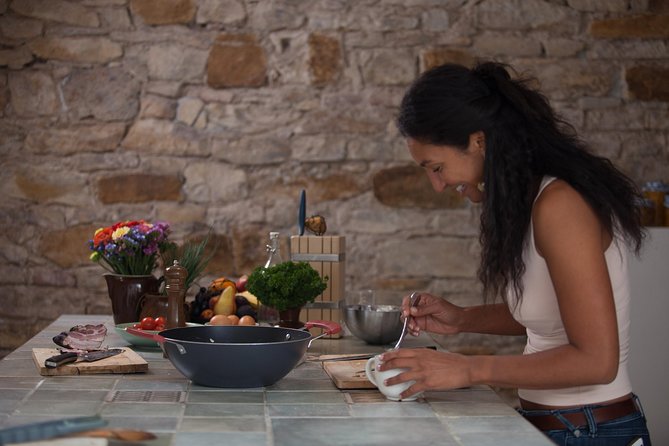
The class begins at 2:30 pm at Good Mood Food in Karlín, Prague. It ends back at the meeting point, so you’re not scrambling to get to another location afterward.
Here’s the rhythm you can expect. First you’re introduced to the menu and the key steps. Then you rotate through the prep tasks and cooking rounds, so you learn multiple components rather than getting stuck on one job. When dishes are cooking, there’s time for snacks and conversation, and the hosts keep things moving so you’re never standing around too long.
By the time dessert arrives, you’ve built the meal brick by brick. That’s a big part of the value: you understand how a Czech menu comes together, not just what it tastes like.
Starter course: broth, noodles, potatoes, mushrooms, or potato-sauerkraut pancakes
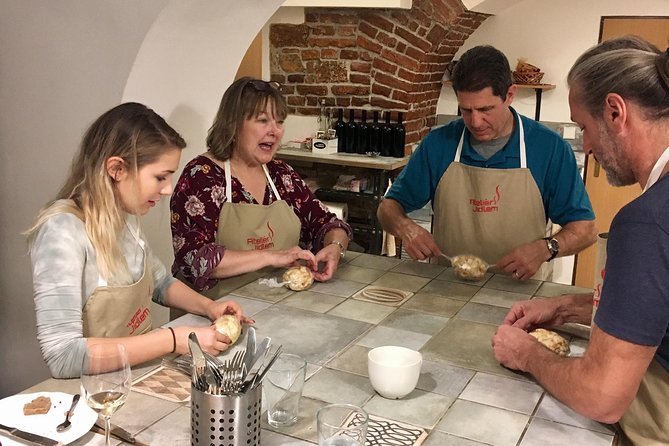
Your starter comes from one of two directions: a traditional soup or an appetizer. You’ll work on a base made from broth and then turn it into something hearty with noodles and veggies, or with potatoes and mushrooms, depending on the day’s chosen option.
One other starter possibility is potato-sauerkraut pancakes. If that sounds simple, that’s the point. Czech home cooking often shines by turning humble ingredients into comfort food with real character.
What I like about starting here is it sets expectations for the rest of the meal. Czech cuisine often leans rich, savory, and grounded. Once you taste the starter, the main course choices start to make sense.
Something different for an afternoon in Prague:
- Prague: Castle Tour with Local Guide and Entry Ticket
★ 4.6 · 10,422 reviews - Prague: Oldtown, Medieval Underground & Dungeon History Tour
★ 4.3 · 10,277 reviews - Prague Castle 2.5-Hour Tour Including Admission Ticket
★ 4.7 · 8,927 reviews - Prague: Vltava River Night Cruise with Buffet
★ 4.3 · 7,338 reviews
Main course choices: Svíčková, goulash, duck, rabbit, and vegan Prejt
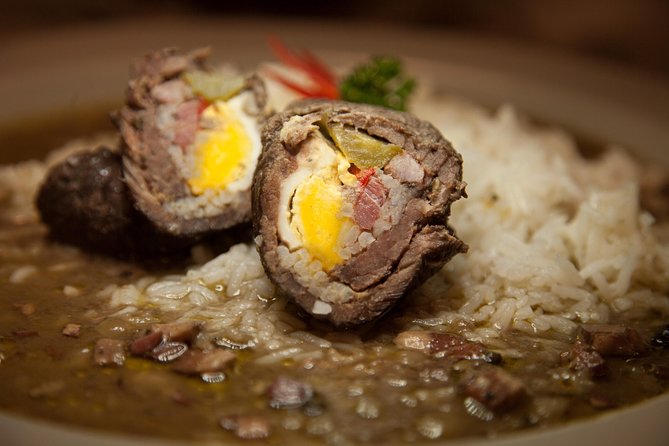
The main course is where the class really delivers. You cook one of several traditional Czech dishes, with options including Svíčková, beef goulash, roasted duck, rabbit with veggies, beef with mushrooms, Spanish bird, and Vegan Prejt.
I like that the menu is varied enough to feel authentic but still teachable. You aren’t getting a single narrow dish. You’re learning the style of Czech cooking: braises, sauces, meat or meat-like mains, and side dish thinking.
If you have a vegan diet, this is one of the better Czech class options because Vegan Prejt is explicitly on the menu list. That means you’re not just swapping a salad into a template. You’re still participating in a Czech-centered dish.
One more plus: some sessions include extra tastings along the way, like sausages, cheeses, jam, and bread. Even when the exact extras vary, the overall idea is the same. You learn what people actually eat in a Czech meal, not only what lands on your plate for a perfect photo.
The side dish lesson: bread dumplings are a must
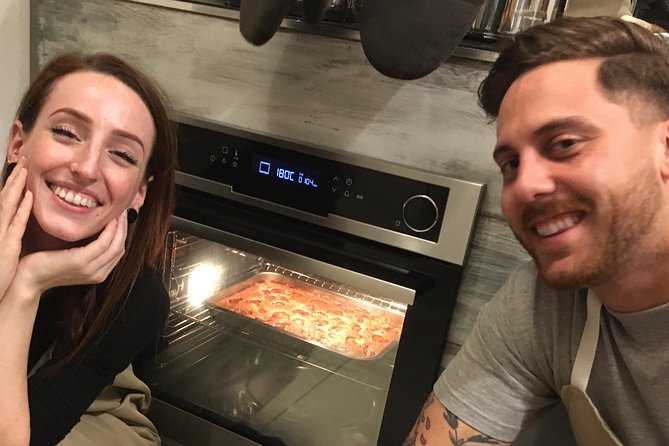
Here’s the part that many people miss when they eat Czech food casually. Bread dumplings are a must, and they show up as the typical side dish. You’ll make this component as part of the menu flow.
Bread dumplings are worth your attention because they’re both practical and satisfying. They’re also a clear marker of Czech comfort food. Learn them once, and you’ll understand why Czech plates feel filling even without a huge pile of different vegetables.
This is also a good time to learn how hosts manage timing. When you’re juggling dumplings, sauce work, and the main, you’ll see how Czech cooking routines stay organized even when the kitchen is busy.
Pickled vegetables, marmalades, snacks, and drinks that keep you going
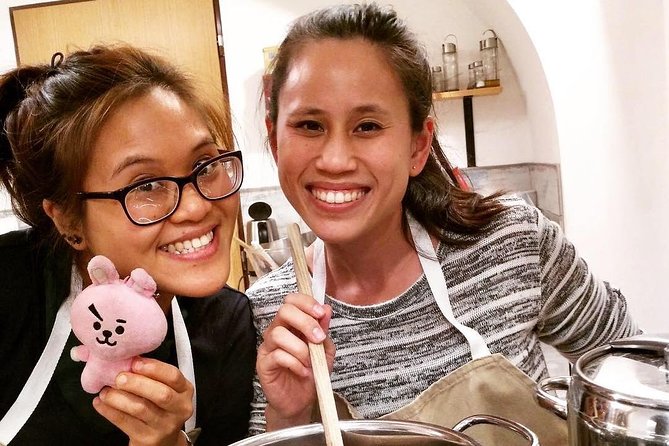
Between courses, you’ll taste homemade pickled vegetables and marmalades. These aren’t random add-ons. They help balance the meal and show the Czech habit of pairing rich dishes with tangy, preserved flavors.
Drinks are included: water, tea, coffee, and wine. Some sessions go further with moonshine shots, which shows up in a few experiences like a playful tradition. You should treat that as part of the fun culture, but still pace yourself since you’ll be cooking most of the afternoon.
There are also snacks during the slower moments, and they’re often a mix of Czech-style bites. That keeps your energy up while you wait for things to finish cooking.
Dessert in Czech style: fruit dumplings, cake, or Kremrole cream roll
Dessert choices rotate between traditional cake, fruit dumplings, or Kremrole. Fruit dumplings can include seasonal fruit, poppy seeds, and quark, which gives you that Czech sweet-leaning tang and richness.
If you get Kremrole, you’re in for a delicate pastry experience. Reviews describe it as a cream roll with merengue, and that lines up with the idea of a light, elegant finish rather than a heavy, one-note dessert.
I like that dessert options are Czech and specific. You’re not stuck with a generic cake you could find anywhere in Europe. You’re learning the kind of sweet that fits into Czech meal habits and family feasts.
Who leads your class, Aida and Bret, and why the storytelling matters
This class is always led by either Aida or Bret, and they guide the experience together in a friendly, entertaining way. A big reason the ratings are so consistently strong is that the hosts teach while keeping the group comfortable.
The cooking instruction is straightforward and hands-on, with plenty of encouragement for different skill levels. Even people who are nervous about cooking usually get pulled into tasks right away. One of the great parts is learning the right way to flip and handle dishes like potato pancakes without feeling embarrassed if you get it wrong the first time.
The stories are not filler. They connect dishes to traditions and rituals, so when you eat, it feels like you understand what you’re tasting. That’s how you carry the experience home, not just the recipe card.
Price and value: what you pay for, and what you actually get
At $167.74 per person for about 4 hours 30 minutes, you’re paying for more than a meal. You’re paying for:
- a small-group teaching setup,
- guided prep and cooking for a full traditional menu,
- included drinks,
- and the chance to eat in a way that feels like a home-hosted meal.
If you usually think of cooking classes as “one dish only,” this stands out because it’s a full Czech menu. You’re also not buying ingredients on top of the class. Water, tea, coffee, and wine are included, and you’ll typically have snacks throughout.
Value is also helped by the setting. Cooking in a 400-year-old building makes it feel like an event, not a pop-up studio. And because the kitchen is simply equipped, you’ll likely feel confident when you try the recipes again.
Logistics that actually help: getting there and finding the door
Your meeting point is Good Mood Food at Křižíkova 70/67, Karlín, 186 00 Prague 8. It’s near public transportation, so you shouldn’t need a car.
One practical tip from real-world experience: the entrance details can be hard to spot at first. The doorbell may be on the right side of a locked alleyway car door. If you arrive and feel stuck, call ahead and have someone meet you rather than wandering around.
Also note that Karlín is not the same as Old Town Prague. That’s a plus for many people who want a calmer neighborhood feel, plus easier access by metro, taxi, or rideshare.
What this class is best for
This is a great fit if you:
- want a hands-on activity that still ends with a proper 3-course Czech meal,
- like learning food technique you can repeat at home,
- enjoy conversation about culture, traditions, and regional habits,
- and you want small-group attention rather than a large, fast group tour.
It’s also a strong option if you travel with someone who doesn’t want a long walking day. Cooking plus eating gives you structure without turning the afternoon into a sprint.
If you’re only looking for a casual snack and a quick photo moment, you might feel you’re working too hard. But if you’re willing to cook, chop, and taste, this is exactly the kind of “do it yourself” Prague experience that sticks.
Should you book this Prague cooking class?
Book it if you want Czech food knowledge you can use, not just a meal you can remember. The combination of hands-on cooking, a small group, and a menu that covers starter, main with side dish, and dessert is the core reason it’s worth your time.
Skip it only if you dislike hands-on food work or you want a purely passive activity. Cooking requires effort, even when the hosts keep it fun and teach as you go.
If you’re cooking curious, this class is one of the most practical ways to understand what Czech comfort food is really about, especially in a setting that feels old, lived-in, and genuinely focused on the work of making dinner.
FAQ
What will I cook in this Prague class?
You’ll make a full traditional Czech menu: a starter (traditional soup or an appetizer), a main course from the listed Czech options, and a dessert (traditional cake, fruit dumplings, or Kremrole). You’ll also prepare the typical Czech side dish, bread dumplings, and taste homemade pickled vegetables and marmalades.
How long is the cooking experience?
It runs about 4 hours 30 minutes.
Is the class in English?
Yes, the experience is offered in English.
How big is the group?
The experience is limited to a small group. It’s listed as limited to 10 guests, and the maximum group size is listed as 8 travelers.
What about dietary needs?
Vegan Prejt is explicitly included as a main course option. The experience also notes that it can be accommodated for food allergies or needs, so you should share your requirements during booking.
What if I need to cancel?
Free cancellation is available. You can cancel up to 24 hours in advance for a full refund, and changes made less than 24 hours before the start time are not accepted. Cancellation is based on the experience’s local time.
Added recently in Prague
- Half-day Private Tour of Prague’s Charming Jewish Quarter★ 5.0 · 4 reviews
- Karlstejn Castle Half Day Tour from Prague★ 3.5 · 4 reviews
- Private Full-Day Tour Karlstejn Castle and Crystal Glassworks from Prague★ 4.5 · 4 reviews
- Prague Castle and Charles Bridge Private Walking Tour★ 5.0 · 4 reviews
- Prague: Sports Cards & Artifacts Museum Tickets★ 4.6 · 4 reviews
- Private tour to Cesky Krumlov★ 5.0 · 4 reviews
- Prague: Target Gun Shooting Experience with Hotel Pickup★ 4.7 · 4 reviews
- Prague Airport Transfers, Praga Aeropuerto Traslados, ESPAŇOL-ENG★ 5.0 · 4 reviews