
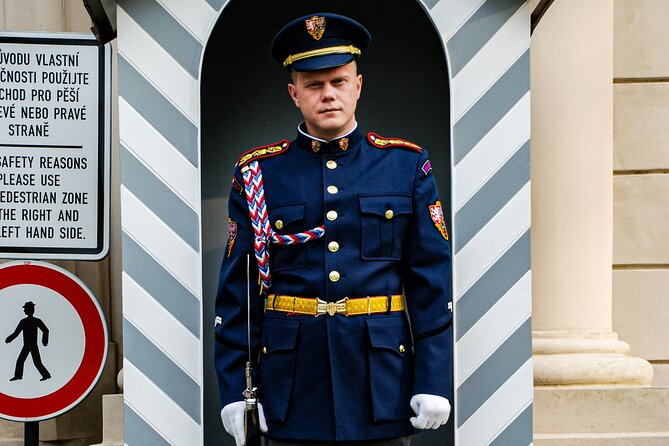
Reviewed · PRAGUE CASTLE
Classic Prague Castle Tour, Strahov Monastery & Castle District
Prague Castle is the big draw, but what makes this tour fun is the build-up. You start down in the city with practical public transport tips, then you climb into the Castle District world by world, with Strahov Monastery and its views leading the way.
Two things I really like: the tour keeps things small and structured (max 30 people), and the guide approach is story-first, not date-dump. One drawback to plan for is simple: you are walking a lot on cobbles and steep bits around the hill, so wear good shoes.
You’ll also like the value angle. Most stops are free to look at from the outside, and the tour is designed so you can focus on architecture, legends, and the “how to read this place” part, even if you choose to buy a paid ticket separately for places like St. Vitus Cathedral interior.
Key highlights to expect
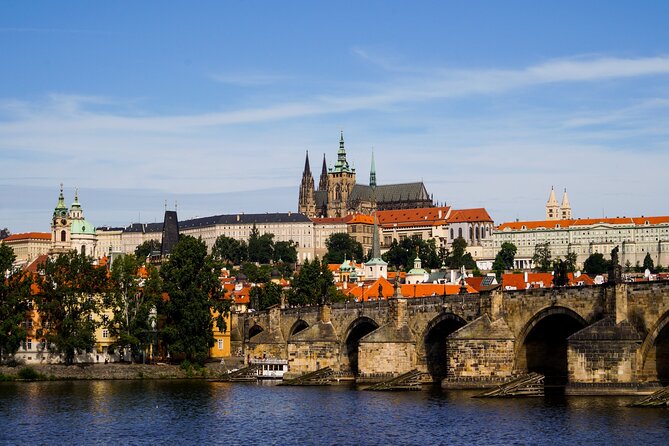
- Klarov Park start: learn how to get around Prague while you’re still fresh and near transit
- Strahov Monastery on the hill: a top-of-the-district feel with monastery stops and close-up details
- Castle District storytelling: defenestration of 1618 and Charles IV type connections built into the walk
- Big-gate to courtyards flow: you see how the complex is laid out, not just a single stop photo-op
- Seasonal Gardens Below: best city views plus another angle on the 1618 story, if your dates are Mar to Oct
Klarov Park to Strahov Hill: the tour’s smart start
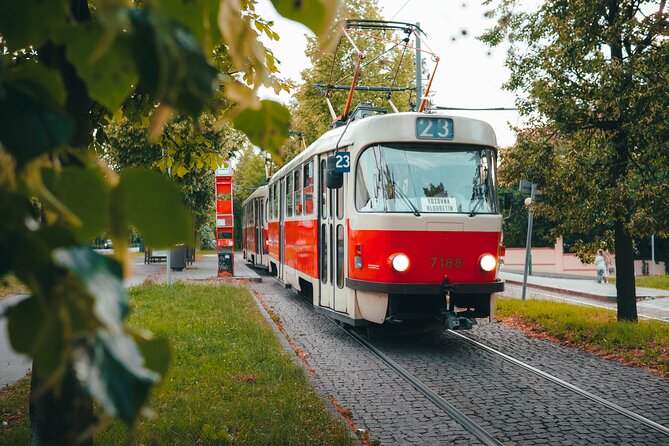
This is one of those Prague experiences that works because it starts with your brain, not your camera. You meet at Josef Manes monument on Alšovo nábř., in Staré Město. From there, the first stop is Klarov Park, and the guide uses that easy-to-reach setting to explain how to use Prague public transport. That matters because the Castle District can feel cut off if you only think in terms of taxi or foot.
At Klarov Park, you’re basically being handed a mini map of how to move through the city. You’ll learn what to watch for and how to think about routes, so later on, when you want to hop between river sights and the hill, you’re not guessing. And since the tour duration is around 2 hours 30 minutes, getting your bearings quickly keeps the whole day smooth.
Also, the pace starts relaxed. You’re not fighting cathedral crowds right away. You’re setting up for the climb.
More of Prague Castle and the castle district:
- Prague Castle 2.5-Hour Tour Including Admission Ticket
★ 4.7 · 8,927 reviews - Prague: 3-Hour Walking Tour of Old Town & Prague Castle
★ 4.7 · 5,696 reviews - Prague: 3-Hour Old Town and Prague Castle Tour in German
★ 4.8 · 5,671 reviews
Strahov Monastery and its brewery stop: the hilltop “wow” moment
Once you head up the hill toward Strahovsky Klaster, the vibe changes fast. Strahov is often quieter than the Castle core, and that gives you space to actually take in what you’re seeing. The tour highlights the monastery setting at the top of the Castle District, which is where the views and the atmosphere come together.
A nice touch is that you don’t just pass by. You stop long enough to absorb the monastery presence, then you move to the Monastery Brewery. That may sound minor, but in Prague it’s the kind of detail that makes a place feel lived-in rather than museum-only.
If you care about architecture, expect the guide to point out the small visual cues you’d miss on your own, like the way buildings sit within the hilltop terrain. If you care about stories, expect the guide to connect the monastery setting to how Prague’s religious and political power played out spatially.
Strahov Library: the stop that turns curiosity into a payoff
Next comes Strahov Library, where the tour leans into stories and odd curiosities. That’s an ideal match for this area. The Castle District can be grand and formal, but the library side gives you something human. You’re not just looking at stone and symbolism, you’re hearing why these rooms have a reputation.
Even if you are the type who thinks libraries are boring, this stop is built for intrigue. The guide explains what makes the library special and what’s memorable about the kinds of things you may spot inside. The key value here is interpretation. You’ll leave knowing what to notice, instead of staring at shelves and thinking, I guess that’s old.
The Castle District walk: defenestration and sgraffito details
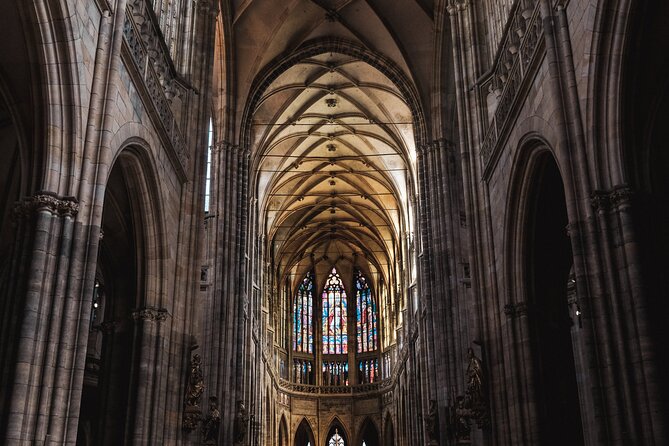
After Strahov, you transition into the broader Castle District walk. This is where the tour keeps rewarding you in smaller, smarter ways.
You’ll make a stop at Cernin Palace to learn about the most recent defenestration of Prague. The defenestration story is one of those Prague facts that people repeat, but it lands much better when you’re standing in the right area and hearing how it connects to 1618 and the political tension of the time.
Then you continue to see the main square of the Castle District. Squares in Prague are like open-air textbooks. Even without entering paid sites, the guide helps you read what’s around you, where power was staged, and why certain buildings and viewpoints matter.
You also get Schwarzenbersky Palac, known for its sgraffito architecture. That’s one of those details that is easy to overlook unless someone points it out. If you love surfaces, patterns, and decoration that look like “art with a purpose,” this is the kind of stop that pays off.
More monastery libraries and cloisters:
- Prague: Klementinum Library & Astronomical Tower Guided Tour
★ 4.5 · 5,050 reviews - ️ Segway Fun Tour of Prague to Castle and Strahov Monastery viewpoint & Brewery
★ 5.0 · 188 reviews - Praha:Vivaldiho koncert Čtyř ročních dob a další Klementinum
★ 4.5 · 27 reviews - Prague: Skip-the-line Strahov Monastery and Library Tour
★ 4.9 · 27 reviews
Prague Castle main gate: how to “start reading” the complex
When you reach Prague Castle, the tour shifts from “look around” to “understand the layout.” Before you enter the complex grounds, the guide gives context about the Castle’s founding over 1,000 years ago and talks through the Castle complex and its origin.
The main gate is your visual anchor. Even if you’ve seen photos, it works better in person because the scale feels real. And because the guide is framing what you’re about to see, you start to notice relationships between buildings, courtyards, and sightlines.
This part is also where the tour’s guide quality becomes obvious. Many guides on this route are praised for storytelling that keeps you engaged without drowning you in dates. Guides named in past groups, such as Dylan and Anna, are frequently described as fun and focused on making the complex make sense.
Courtyards 4 and 2: the small changes that tell big stories
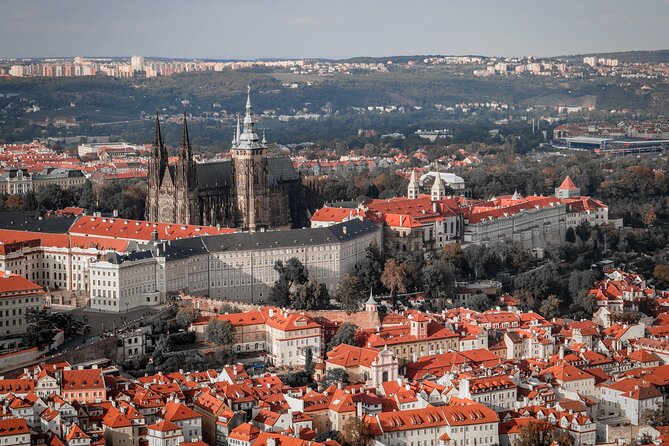
Then you move through the Fourth Courtyard and the Second Courtyard. Both stops focus on the final touches made to the castle in the 20th century.
This is a smart choice for a short tour because most visitors lump the Castle into one vague “ancient” bucket. Here you learn that the complex you see today is shaped by more than medieval power. 20th century updates are part of the story, and the guide uses the courtyards to explain how that “modern layer” affects what you see now.
If you like architecture, this is a gift. Courtyards are where buildings turn from individual monuments into a coordinated system. You can understand how movement through space works, and you start to see why courtyards were designed for ceremonies, viewing, and controlled movement.
St. Vitus Cathedral from the outside: Charles IV connections
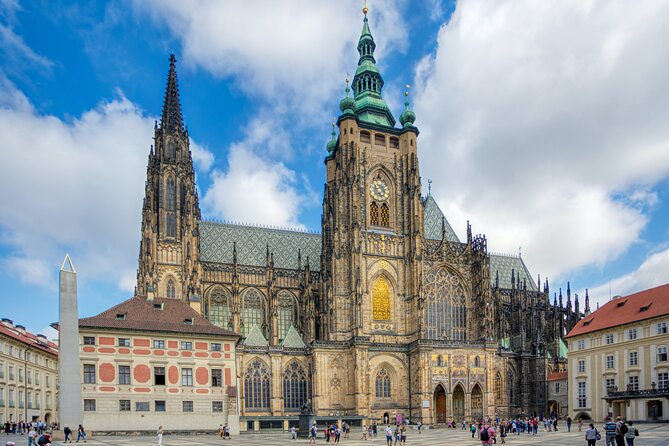
St. Vitus Cathedral is the next anchor. You’ll see the cathedral and get guidance about its history, including how Charles IV is connected to it, plus small stories that help you spot meaning in plain sight.
One practical note: the tour keeps you out of paid monuments, so you’re not automatically getting interior access. Still, some people want to add the cathedral interior ticket separately on their own. The tour gives you what you need to make that optional stop worthwhile, because you’ll already know what to look for when you do go inside.
This is also where views matter. Even without going in, St. Vitus reads best when you understand where you are in relation to the complex.
Third Castle Courtyard and the best angle conversation
Next is the Third Castle Courtyard, where you see where the Czech presidents office is located and you look at the cathedral from what the guide frames as its best angle.
This is a classic Prague move, use viewpoints as your lesson plan. It’s not just for photos. It’s how you understand the cathedral’s massing and why the Castle’s layout creates sightlines.
If your schedule is tight and you want the key cathedral perspective without getting stuck in long lines, this is the way to do it. You get a “main viewpoint” moment inside the flow of the walk, not as a last-minute scramble.
Old Royal Palace: one building, many upgrades
Old Royal Palace is a stop that helps you see Prague’s power shifts without leaving the same footprint. The guide explains how the palace was upgraded by every period of rule and how you can spot that evolution in architecture within one building.
This is a stop that rewards attention. When you hear the framing, details that would otherwise look random start to connect. The key value is learning how to read change over time, rather than treating the palace like a single design statement.
If you like walking tours that leave you able to interpret what you’re seeing, this is that kind of stop.
Gardens Below Prague Castle (seasonal): city views and the 1618 story
The Gardens Below Prague Castle are seasonal, available only during Mar to Oct. If you’re traveling in those months, this is a major payoff.
You get best views of the city, and you also learn about the location tied to the defenestration of Prague of 1618. That combination is the reason this stop is worth planning around. You’re not just taking photos. You’re linking a dramatic historical event to a physical spot you can see and understand.
If your trip lands outside Mar to Oct, you’ll still get the core Castle District experience, but you may miss this particular viewpoint layer. In bad weather, the garden part can also be less fun, so bring rain-ready gear if forecasts look iffy.
Stomping grounds and stamina: what the walking really feels like
This tour is designed for most people to participate, but I would not call it a sit-and-sip experience. You’re moving through the Castle District hill area, with cobblestones and slopes. One review-style theme across many guides is that it’s worth the effort, but you should treat it like a proper walk.
Practical tips:
- Wear shoes with grip for cobblestones.
- Plan water breaks into your mental schedule, since you’re often standing to look and listen.
- If you want photos, let the guide know early so you can position without slowing the group too much.
The upside is that the route is built to keep you seeing real viewpoints and real architecture in a short window of time.
Price and value for a 2.5-hour Prague Castle introduction
At $3.63 per person, this tour is priced like a serious deal. The math is simple: you are paying for a licensed local guide, a tight route, and interpretation that makes the Castle District readable.
What’s included:
- Licensed local guide
- Mobile ticket
- English-language guiding
- Admission-free sightseeing stops (no paid monuments entered)
What’s not included:
- Public transport ticket is on you, around 30 CZK (about 1.2 EUR)
So the value question becomes, Are you using the guide’s brain? If you come in with zero context, you’ll still enjoy the scenery. But if you want to understand why the Castle complex is laid out the way it is, why defenestration stories matter, and how courtyards shape the experience, then you’ll feel like you got your money’s worth fast.
I also like that the tour is capped at 30 people. It helps the guide manage questions and keep the group together, which matters when you’re walking and stopping often.
Guides who turn the Castle from facts into a story
A big reason this tour earns a near-perfect rating is the guides. Names that have come up with standout praise include Dylan, Aris, Lyle, Andy, Paul, Filip, Jan, Ian, Zach, Jeremy, Mike, and Anna.
Across those accounts, common themes are clear:
- High energy and humor that keep you awake on cobblestones
- Explanations that connect architecture to politics and daily life
- A pace that feels structured, never frantic
- Willingness to answer questions, including practical Prague advice
One guide, Jan, is specifically noted for personal stories about life in Prague around 1989, which turns history into something you can feel. Another guide, Paul, is praised for making royal nonsense and Czech history click with jokes that never feel forced.
You cannot guarantee which guide you’ll get, but you can expect the tour to be run with a storytelling style rather than a strict lecture format. That is what makes a Castle District walk feel fun, not exhausting.
Should you book this Classic Prague Castle Tour?
Book it if you want a smart first encounter with Prague Castle and the Castle District, without spending the day stuck in ticket lines. It’s especially good if you like the idea of learning how to get around Prague while you are still near the start of your day.
I would also book it if you care about architecture and want help noticing details. The main gate, courtyards, St. Vitus Cathedral viewpoints, and the sgraffito on Schwarzenbersky Palac are all easier to enjoy when someone narrates what you’re looking at.
Skip it or consider a different format if you dislike stairs and steep, cobbled walking. This one is active. And if your dates are outside Mar to Oct, you should know you will miss the Gardens Below Castle viewpoint stop.
If your goal is to leave with a clear mental map of Prague’s power center, plus a few standout stories like defenestration and Charles IV connections, this tour is a solid pick.
FAQ
Do I need to buy entry tickets for monuments on this tour?
The tour states it will not enter any paid monuments, so no admission fees are needed for the included stops. If you want to go inside paid areas like the cathedral interior, you would need to buy tickets separately.
What language is the tour offered in?
This experience is offered in English.
How long is the tour?
The duration is about 2 hours 30 minutes.
Where does the tour start and where do you end?
You start at Josef Manes monument on Alšovo nábř., Staré Město. You end at Hradčany 192, near the Prague Castle ramparts.
Is the tour only for summer months?
The Gardens Below Prague Castle are only included during the summer season, March to October. Other parts of the tour still run outside that window.
Is public transportation required to join the tour?
A public transport ticket is not included, so you’ll need your own ticket (30 CZK, about 1.2 EUR).
Added recently in Prague
- Half-day Private Tour of Prague’s Charming Jewish Quarter★ 5.0 · 4 reviews
- Karlstejn Castle Half Day Tour from Prague★ 3.5 · 4 reviews
- Private Full-Day Tour Karlstejn Castle and Crystal Glassworks from Prague★ 4.5 · 4 reviews
- Prague Castle and Charles Bridge Private Walking Tour★ 5.0 · 4 reviews
- Prague: Sports Cards & Artifacts Museum Tickets★ 4.6 · 4 reviews
- Prague: Target Gun Shooting Experience with Hotel Pickup★ 4.7 · 4 reviews
- Private tour to Cesky Krumlov★ 5.0 · 4 reviews
- Prague Airport Transfers, Praga Aeropuerto Traslados, ESPAŇOL-ENG★ 5.0 · 4 reviews
Prague Castle, compared.

Prague Castle 2.5-Hour Tour Including Admission Ticket
Read our review →
3-Hour Walking Tour of Old Town & Prague Castle
Read our review →
3-Hour Old Town and Prague Castle Tour in German
Read our review →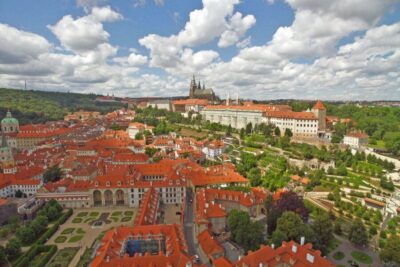
Prague Castle and Lobkowicz Palace Entry Tickets
Read our review →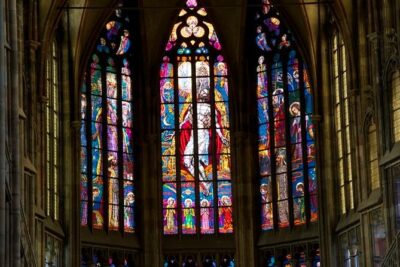
Prague 3-hour Afternoon Walking Tour including Prague Castle
Read our review →
Prague Castle Tour Including Admission Ticket – 2.5 Hour
Read our review →
Prague Castle: Midday Classical Concert at Lobkowicz Palace
Read our review →
Full-Day Prague Tour with Prague Castle, Lunch and Vltava Cruise
Read our review →Browse the lists this tour appears in