
Czechia
From Prague: Terezin Concentration Camp Tour
5 hours
Prague to Terezín is one of those trips that hits you fast, because you go from everyday travel pace to a site built to remember Nazi political and racial persecution. I especially like the Terezín Memorial and Ghetto Museum for the way it explains what happened in a clear, structured route. I also like the Small Fortress, where the Gestapo prison connection makes the story feel painfully direct. One possible drawback: the whole experience is only about 5 hours, so you may have to accept a bit of time pressure, especially if you want to slow down and read everything.
What makes this tour work is that it’s built around guided interpretation, not just walking. You’ll hear the story from live guides in English, and many camp guides use a tone that’s careful and respectful, with emotion coming through when it matters. You should just keep in mind that some sections move quickly, and a few spoken parts can be hard to catch if you are far from the guide or if the accent is strong.
If you go in prepared, you’ll get a lot for the money. The price includes transportation, museum entry, and a guide, and you also have optional add-ons like the crematorium stop, when it’s open. Just plan ahead for photography rules, because fees apply in interiors and for recording equipment outdoors.
Key things that make this tour worth your time
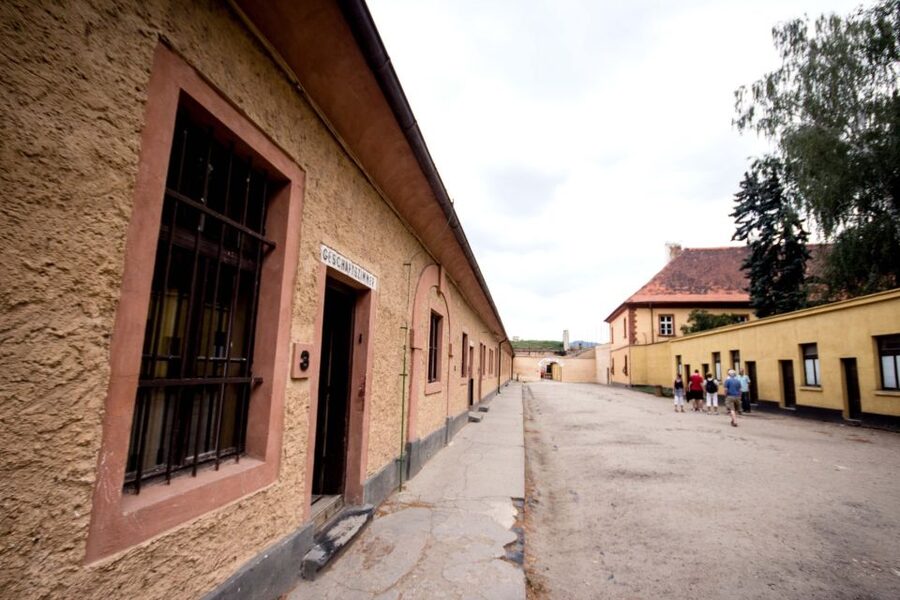
- Terezín holds 150,000+ Jewish prisoners in the story you’ll hear: the tour frames the site with that scale in mind, not as a side note.
- Small Fortress was used as a Gestapo prison: the tour’s highlight is often the shift from museum setting to prison reality.
- Ghetto Museum in a former school (opened in 1991): exhibits were arranged with help from former prisoners, which makes it feel grounded.
- A film break helps reset the emotional pace: you’ll see a short film in the museum area to connect dates and details.
- Crematorium visit is optional, and sometimes closed: it’s not always available, so check the day you book.
- Guided touring plus transportation in about 5 hours: you get the structure of a guided half-day without spending your entire day away from Prague.
Leaving Prague for Terezín, and why the timing matters
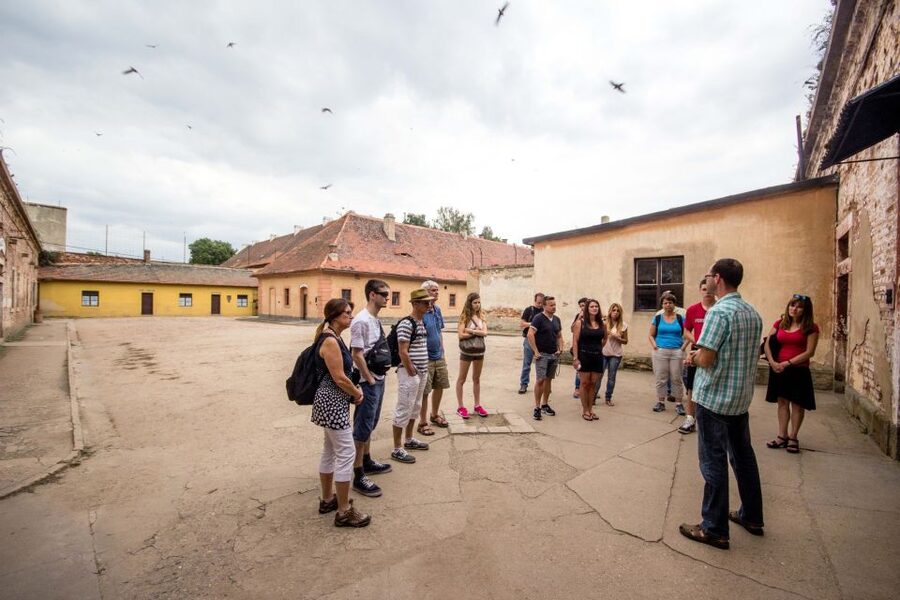
This is a half-day outing designed to fit into a normal Prague itinerary. You start in Prague, then transfer for about an hour to Ústí nad Labem area, where Terezín sits. Once you’re there, the guided museum time is around 3 hours, and you go back by bus, with another hour or so of travel.
That 5-hour total duration is a double-edged sword. It’s efficient, and it helps you avoid the “I’m too tired to absorb this” problem that can hit when you do sites like this at the end of a long day. The trade-off is simple: there is a lot to see, and you will not get slow, sit-down time in every room. If you are the type who wants to read every wall label and linger, plan to treat this as an overview tour, and expect you might return on your own later.
The pickup location is on Revoluční 25 in Prague 1, Staré Město. Arrive a few minutes early. Even when everything runs smoothly, meeting points can be easy to miss in older city streets, and it’s nicer to feel calm than rushed before you head into a heavy setting.
Other visits to the Terezín Memorial:
- Terezin Memorial: Entry Ticket Combo w. Guided Walking Tour
★ 4.0 · 77 reviews - Terezin: Guided Tour of the Concentration Camp and Museum
★ 4.3 · 54 reviews - Terezin concentration field excursion
★ 4.9 · 7 reviews
The Terezín Memorial and Ghetto Museum: where the story is organized
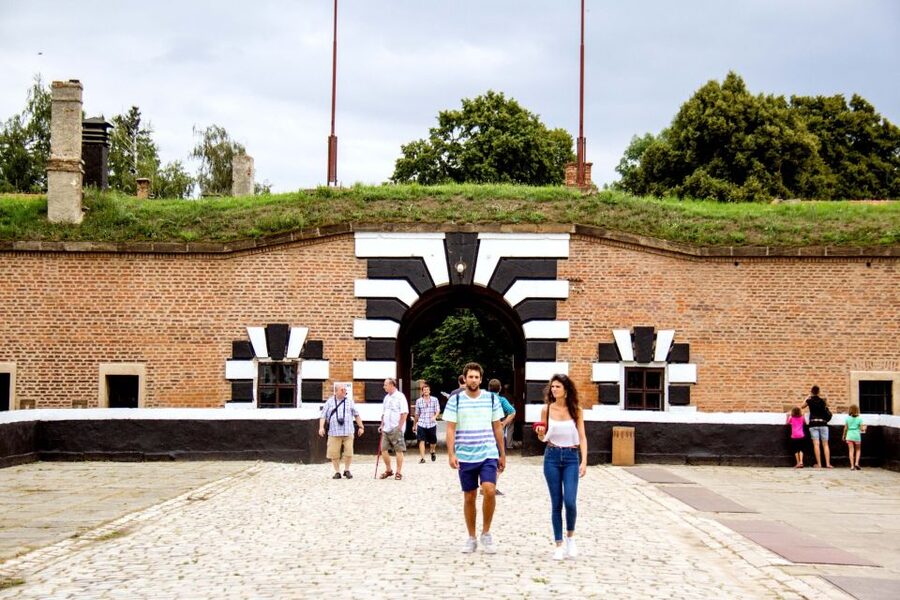
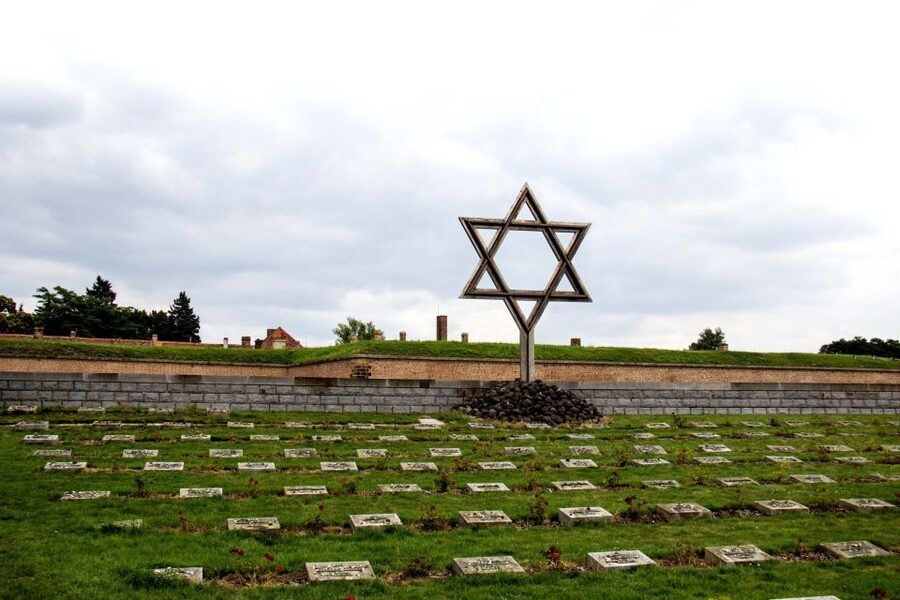
The Terezín Memorial and Ghetto Museum portion is where you get the big picture first. You’ll walk through areas created to remember victims of Nazi political and racial persecution during World War II. The site is presented as the only one of its kind in the Czech Republic, which matters because it frames Terezín as a dedicated memorial space, not just another museum building.
What you’ll see
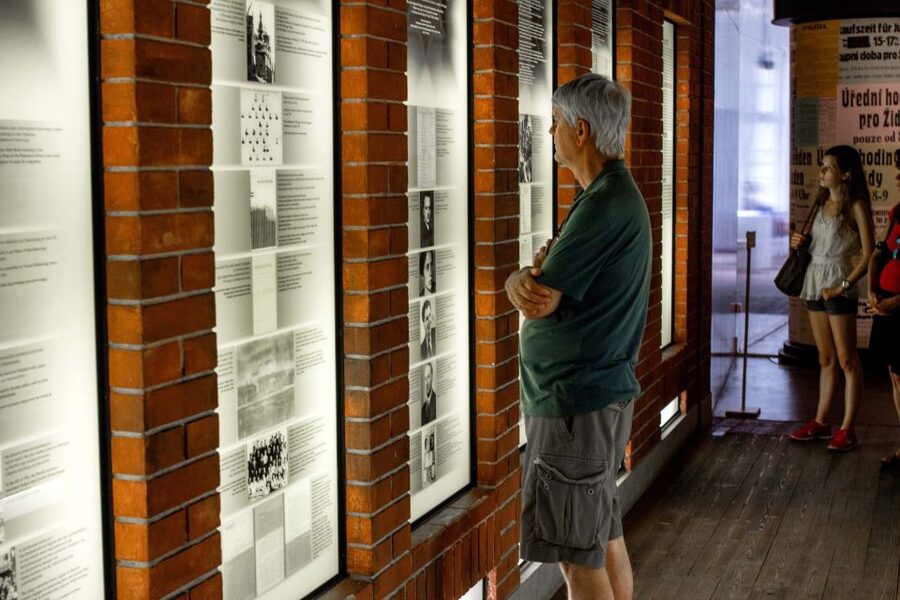
In the museum section, you’ll focus on the ghetto experience through curated exhibits. The Ghetto Museum is housed in the former Terezín School. It opened in 1991, and its layout and exhibits were arranged with assistance from former prisoners of the Terezín Ghetto. That detail makes the museum feel less like a generic display and more like a carefully built record from people who lived it.
There is also a film at the museum. For many visitors, the film is a useful reset. After walking through rooms full of names, records, and dates, the short film helps connect the timeline so the rest of the tour clicks into place.
How the guide approach affects your experience
This is one of the tours where the guide can make a big difference. Several guides on this route are known for being extremely engaged, with some choosing to bring emotion into their explanations at the right moments. That matters because Terezín is not just facts and architecture. It’s decisions, transport, confinement, and systematic persecution.
At the same time, some parts can be delivered quickly. I recommend setting yourself up for clarity: sit where you can hear well, and if you’re using your phone or listening device, keep volume low and use the included audio options when needed. The tour also includes audio guide languages like French, Russian, Italian, German, Spanish, Czech, so you can follow along even if spoken narration is fast.
Something different for an afternoon in Terezín:
- Terezin Concentration Camp w/HolocaustHistorian(Semi)Private
★ 5.0 · 6 reviews
The possible downside: time can feel tight here
The museum content can be heavy in both meaning and reading. Some people end up wanting more time in the ghetto museum area because there is a lot to process in a short window. If you’re a slow reader, plan to prioritize the big themes your guide is focusing on, not every single label.
Small Fortress and the Gestapo connection: the hardest rooms first
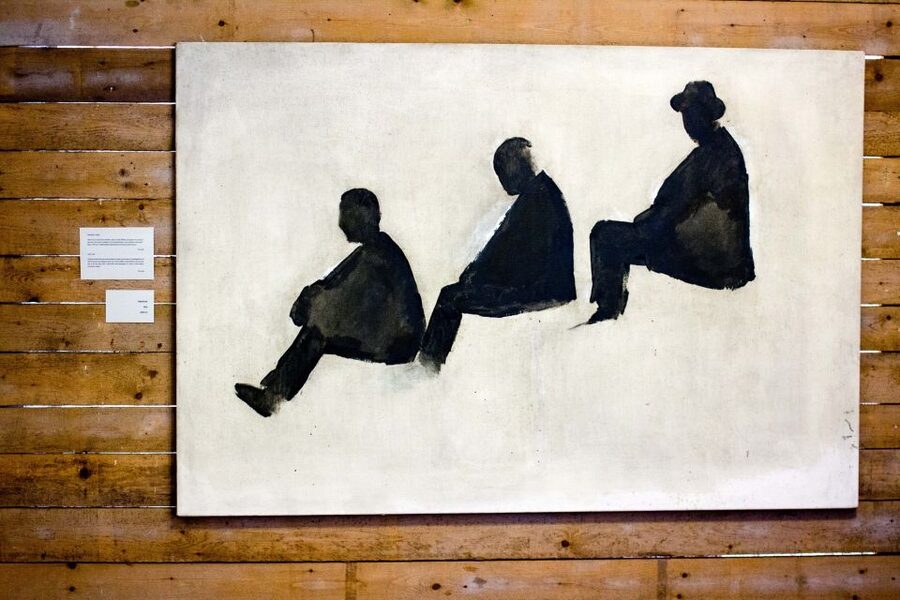
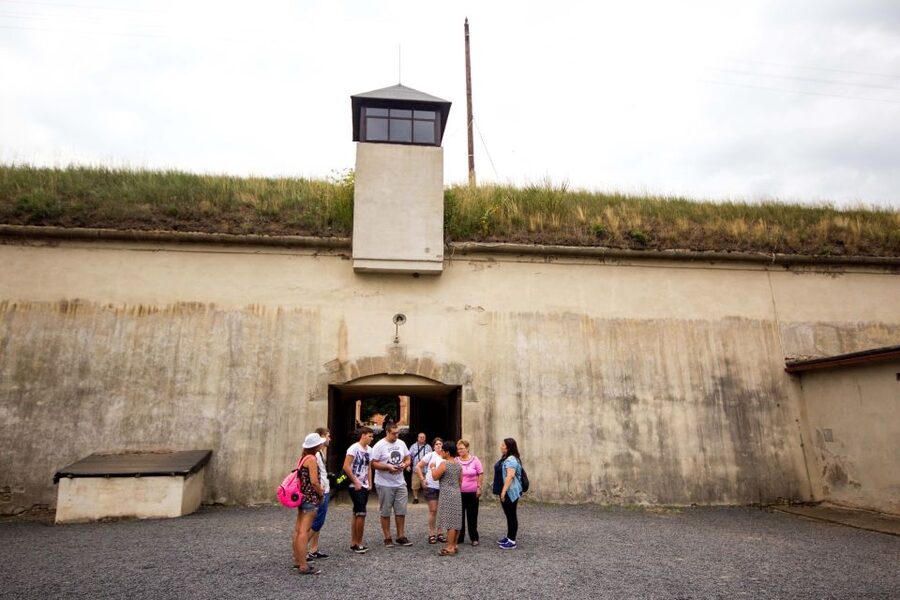
If you want one clear highlight, it’s usually the Small Fortress. This part of the tour is centered on the prison system, including the role it played as a prison for the Prague Gestapo. Unlike a typical museum where you can step back and observe from a distance, this setting can feel tighter and more physical. The walls make the story harder to “mentally distance.”
What makes it powerful
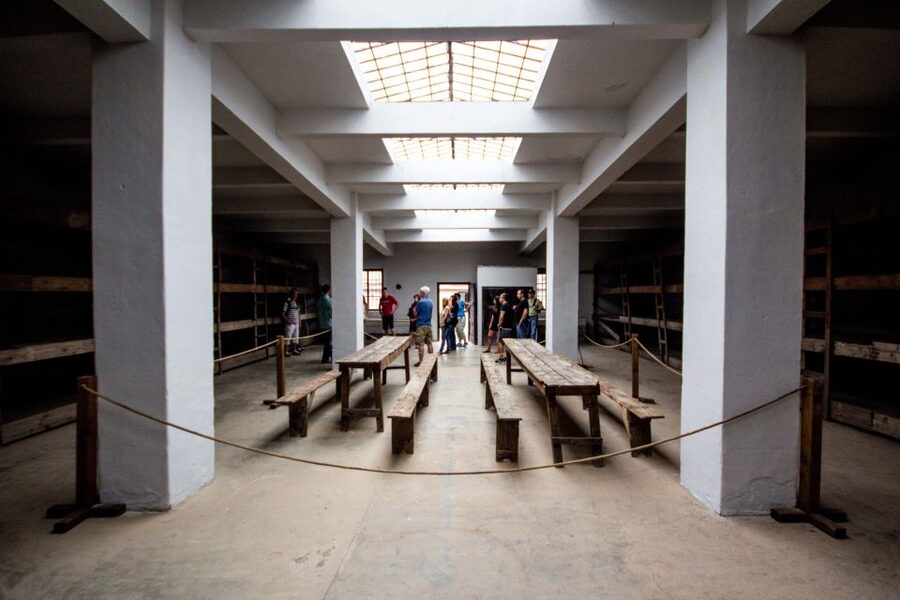
The Small Fortress is where your brain stops treating history as abstract. You see the spaces used for confinement and punishment, and your guide ties those details to the broader narrative of Czech persecution under the Nazi regime. You’ll also hear about the fates of Czech prisoners transferred to other concentration camps within Nazi Germany’s Third Reich.
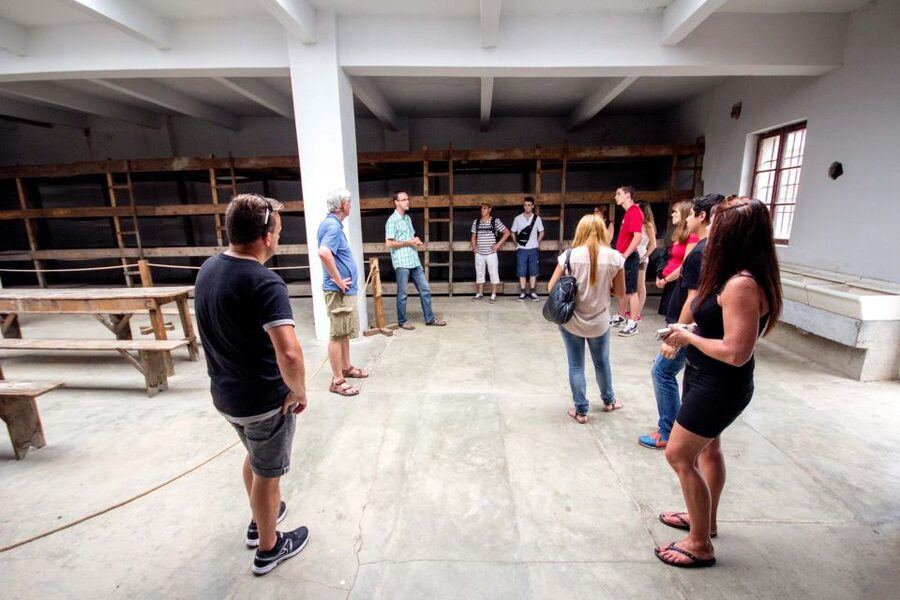
Because this is a fortress, there is also less room for wandering. You follow the guided route, and the guide’s pacing matters. Some people find the fortress tour incredible and intense, while others wish there were extra minutes to take things in more slowly. That’s not a failure of the tour, it’s just physics: the fortress has real architecture, and it needs real time to absorb.
Photography rules to know in advance
If you plan to take photos outdoors in the Small Fortress, be aware that there is a charge per recording equipment, including mobile phone cameras. The fee given is 50 CZK per recording device. Interiors follow a separate rule set, with charges for photography in museum interiors. This isn’t the kind of place to rely on guesswork, so check your plans before you start shooting.
A practical tip for hearing
In a few cases, visitors struggle to understand fortress guides when English delivery is fast or thickly accented. If you are sensitive to hearing clarity, sit closer to the front group leader. And if you prefer consistency, use an audio guide for sections where spoken language is harder to catch. You’ll get more from the tour if you understand every main point, not just half the sentences.
The film, then the crematorium option: how the tour shapes the emotional arc
The tour builds a sequence that goes from context to physical confinement, then toward death and aftermath through the crematorium stop. Even though those topics are grim, the structure helps your brain organize what you’re seeing instead of hitting you with chaos.
The museum film is one of the most useful transitions. It often acts like a pause button: you go from reading and walking into something that summarizes and connects. That can help if you’re worried about feeling overwhelmed.
Crematorium visit: optional, and not always possible
After the museum and fortress segments, you may have the option to visit the crematorium. But it is not included in the standard tour time. It’s described as optional, and crematorium closure applies on Saturdays.
The crematorium itself is a key part of the site’s documentation, with the number provided in your tour info: 35,000 human bodies were cremated there. If you want that part of the story, you need to time your trip for an open day. If it’s closed, don’t assume it’s a scheduling mistake, it’s a fixed access rule.
How to handle your personal pace
Sites like this can make people want to either rush, or stop completely and stare. The best strategy is middle ground: follow the group route, but allow yourself short quiet moments when you need them. The tour format already limits time, so trying to do too much extra on your own could create stress. Instead, let the guide’s narrative set the pace, and you control your reaction.
Price and value: what you get for about $53
At around $53 per person, this tour is priced like a straightforward guided half-day from Prague, and the value comes from what’s included. You get museum entrance, a live English guide, and transportation. You also get a skip-the-line style security check through express processing, which helps you start without delays.
What’s not included is also clear. Lunch is not included, and hotel drop off service is not included. That’s normal for a tour that uses a central Prague meeting point. In practical terms, you should plan to eat either before you go or after you return to Prague, and bring water since you’ll be on a fixed schedule.
The schedule is also part of the price value. You’re paying for a structured route that packs in the memorial area, the ghetto museum, the Small Fortress, and the crematorium option. If you tried to do all of that independently, you’d spend time coordinating transport and deciding where to spend your limited attention. Here, you get the route and the interpretation in one package.
One more value note from how the guides are described: when camp guides and fortress guides do their job well, the tour becomes more than sightseeing. Names you might hear include Peter, Victor, Petr, Mark, Eva, and Andrew. Even if you do not get those exact guides, the common thread from their reputations is that they aim to explain with clarity and with respectful weight.
Comfort, group size, and the realities of bus travel
The bus transfer is about 1 hour each way. Most people describe the vehicle ride as comfortable. Still, roads to the site can be rough at times, and some visitors note that audio can be hard if you’re not sitting where you can hear well. If you get motion sickness easily, take your usual precautions.
Group size is another factor. Several comments point to the group being big enough to be social but not so huge that you feel lost. That matters because in a prison and memorial environment, it helps when the group can stay together and hear instructions.
Also, think about attention management. In a tour like this, distractions feel rude and also reduce what you can absorb. Keep phones on silent, use earbuds if you’re listening to audio, and keep recordings outdoors in mind due to the fees. This is one of those days where good manners are also good learning.
Who should book this Terezín tour, and who might want a different format
This tour is a strong choice if you want a guided overview that covers the major parts of the Terezín story in a half-day. It also fits people who want to connect the Czech persecution under Nazi rule to what happened across the broader system of camps, since the Small Fortress portion ties confinement to transfers.
You should especially consider it if:
- you like structured tours with live interpretation
- you want the museum context plus the prison spaces in one outing
- you are visiting Prague and want a historical site that is reachable without dedicating a full day
You might choose a different format if:
- you need extra time in the museum sections to read everything
- you are booking on a Saturday and strongly want the crematorium stop
- you know you struggle with fast-paced narration and you want more self-guided time
No matter what, come with the right frame of mind. This is not a “fun day trip.” It’s respectful remembering, and the site asks you to slow down emotionally even if the schedule forces your feet forward.
Should you book the Prague to Terezín half-day tour?
Yes, I think you should book it if you want one efficient guided route that hits the key memorial and prison components. At about $53 with entrance, guide, and transportation included, it’s good value for a tightly organized, English guided experience.
The decision comes down to your tolerance for limited time. If you’re okay with an overview that leaves you wanting to learn more on your own, this works well. If you need very slow, room-by-room reading, you might prefer adding extra time by returning later or choosing a longer tour option. Either way, plan to bring a calm mindset, keep an eye on photography rules, and check whether your day allows the optional crematorium visit.
Added recently in Terezín
- Terezin Concentration Camp w/HolocaustHistorian(Semi)Private★ 5.0 · 6 reviews
- Terezin concentration field excursion★ 4.9 · 7 reviews
- Terezin: Guided Tour of the Concentration Camp and Museum★ 4.3 · 54 reviews
- Terezin Memorial: Entry Ticket Combo w. Guided Walking Tour★ 4.0 · 77 reviews